
Translation
Final Conference
Retrospective of the Final Conference
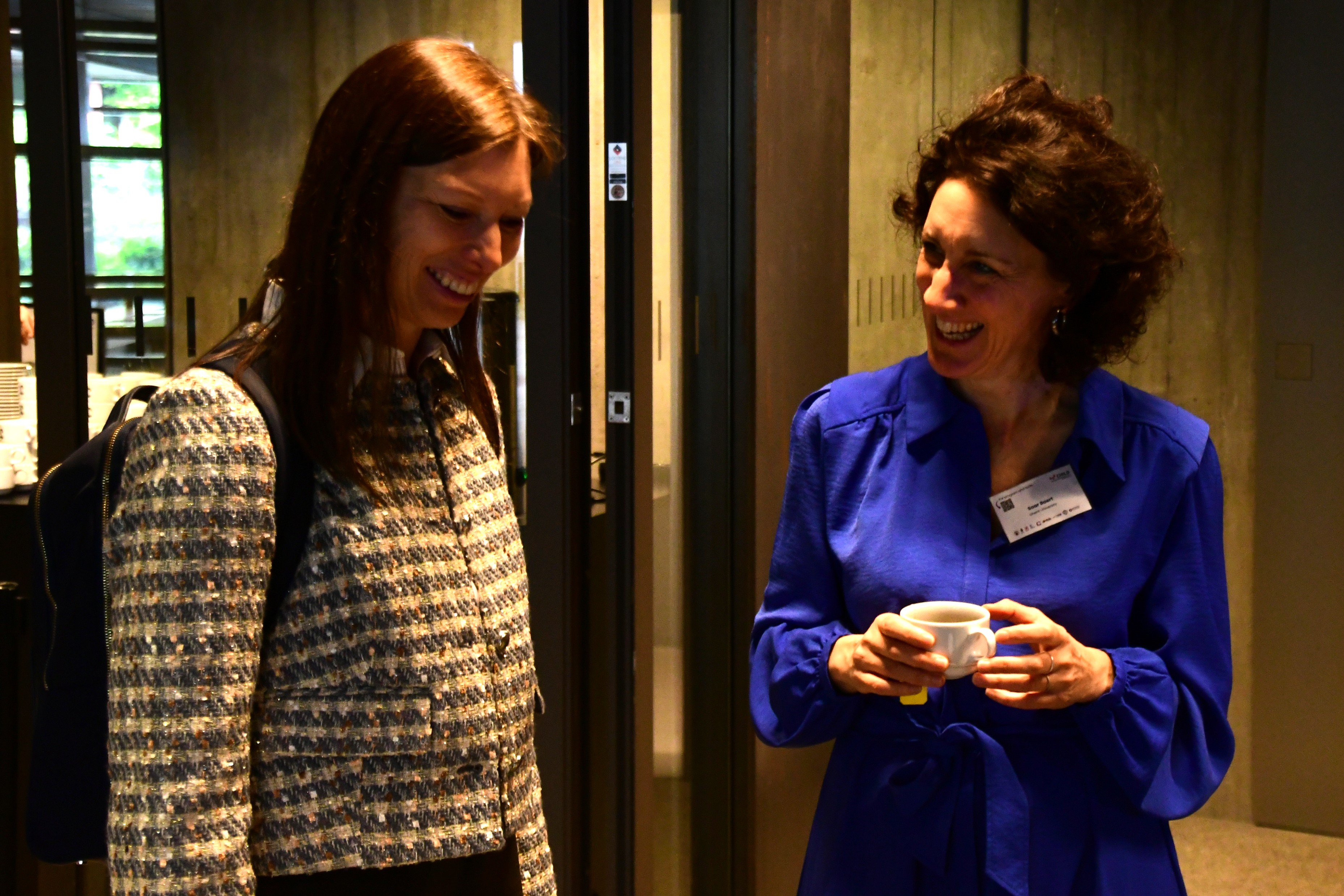
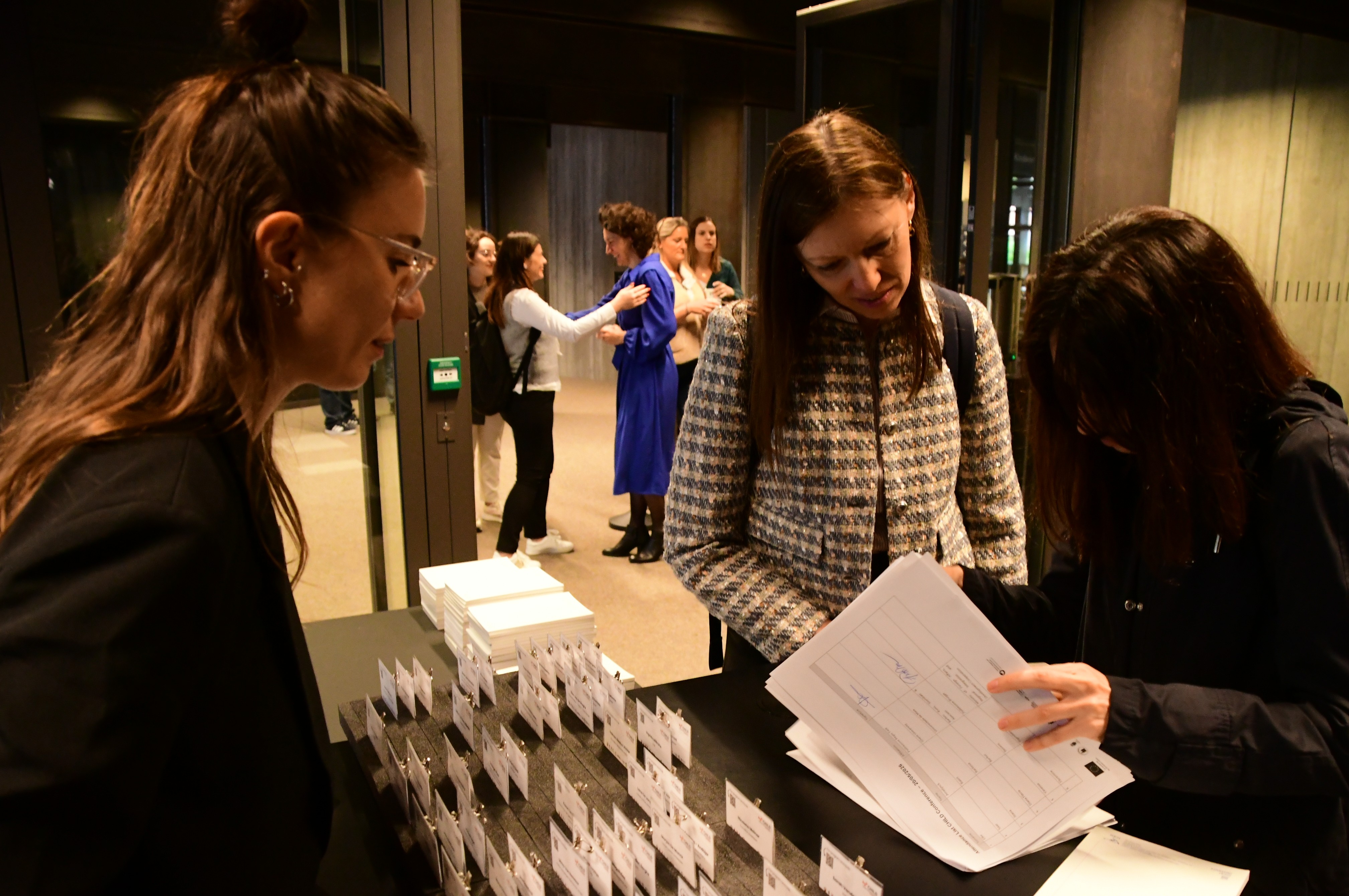
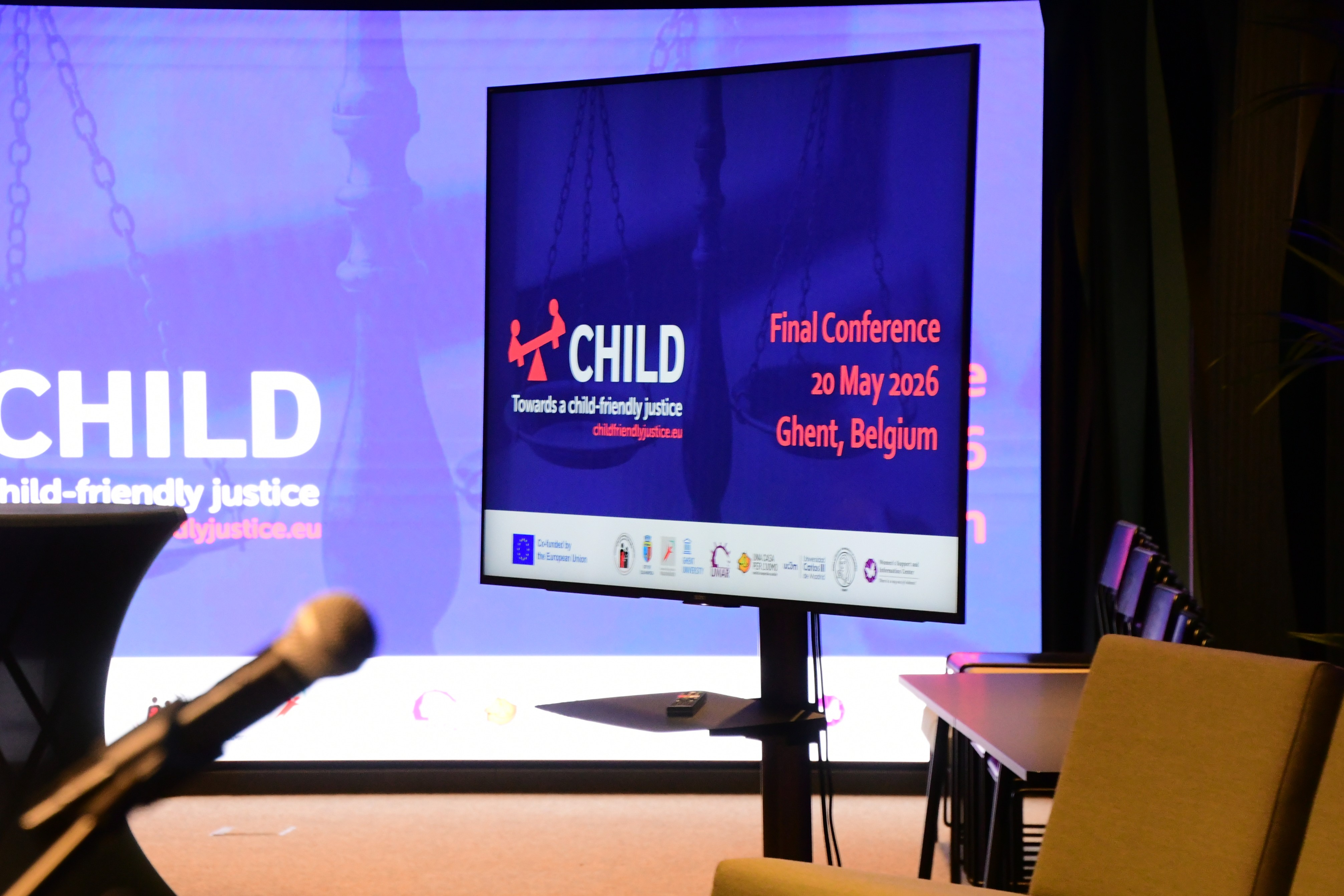
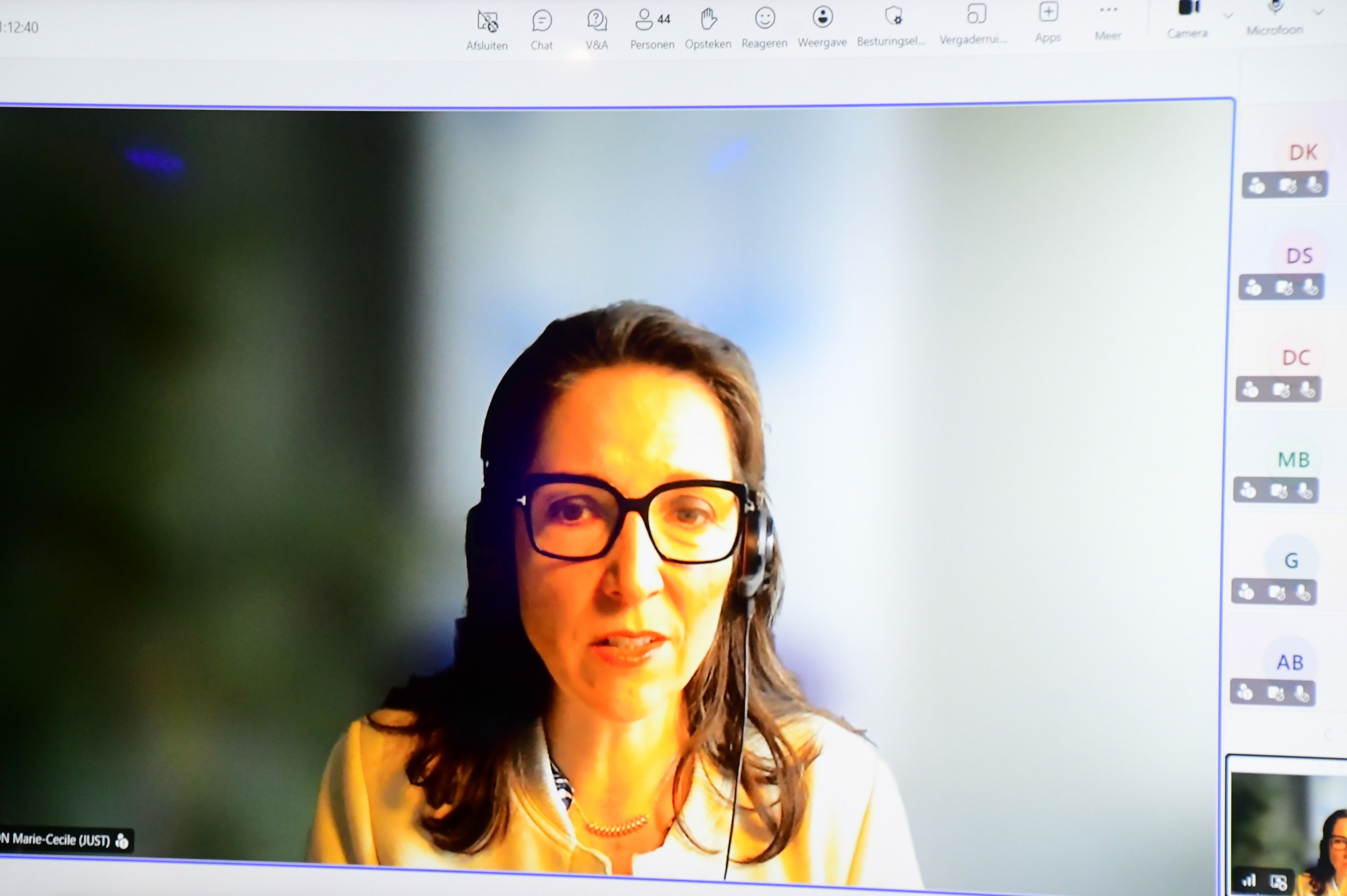
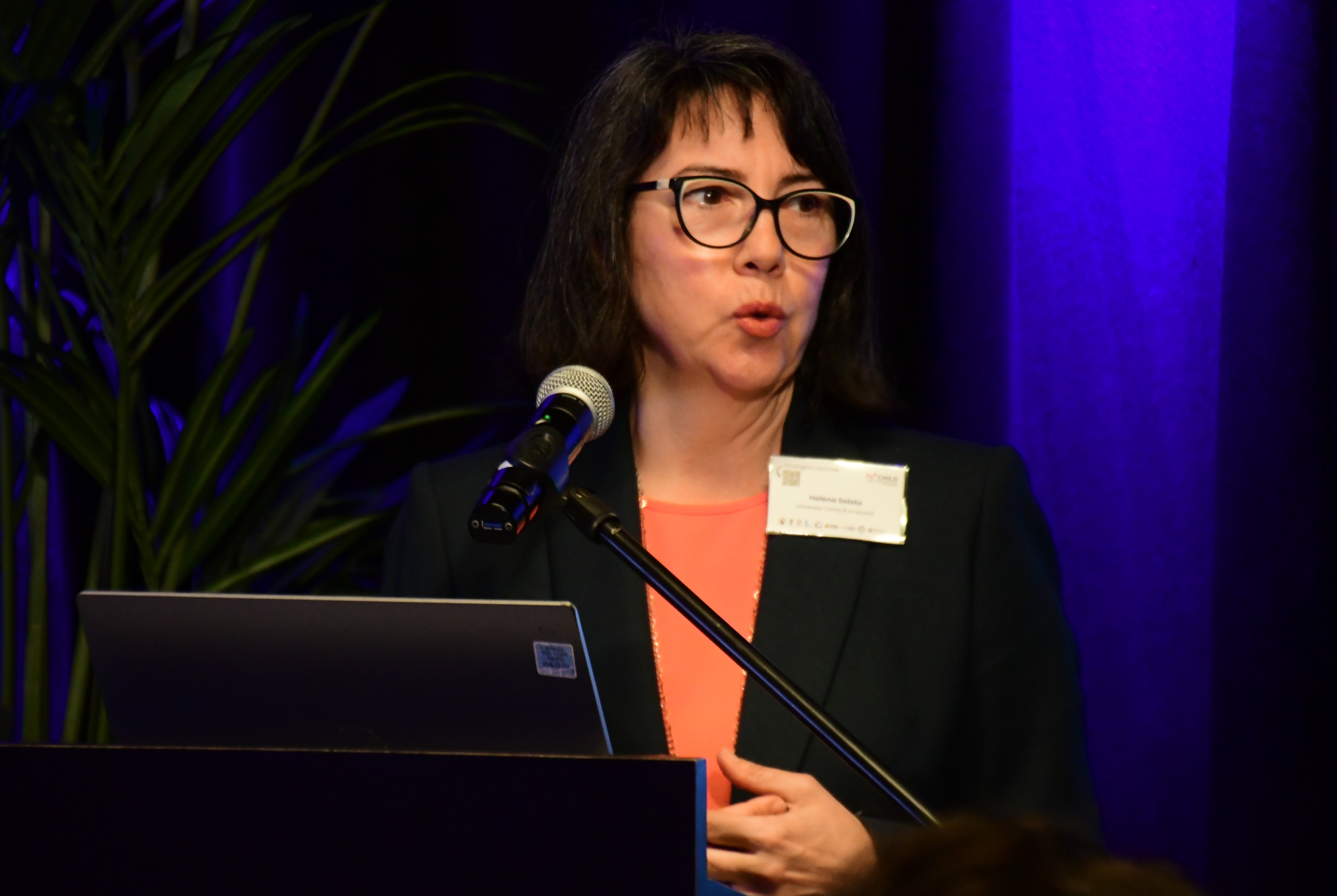
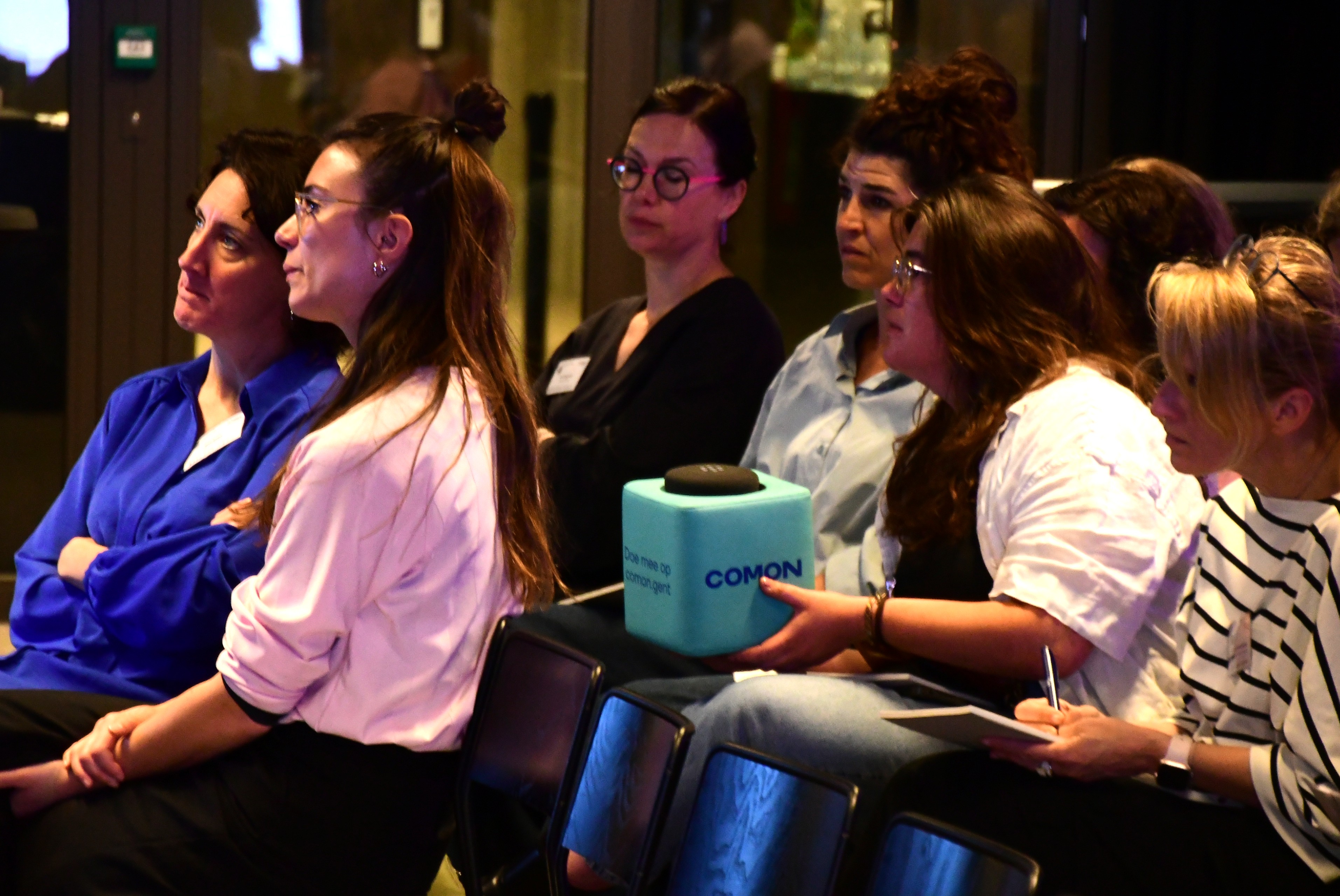
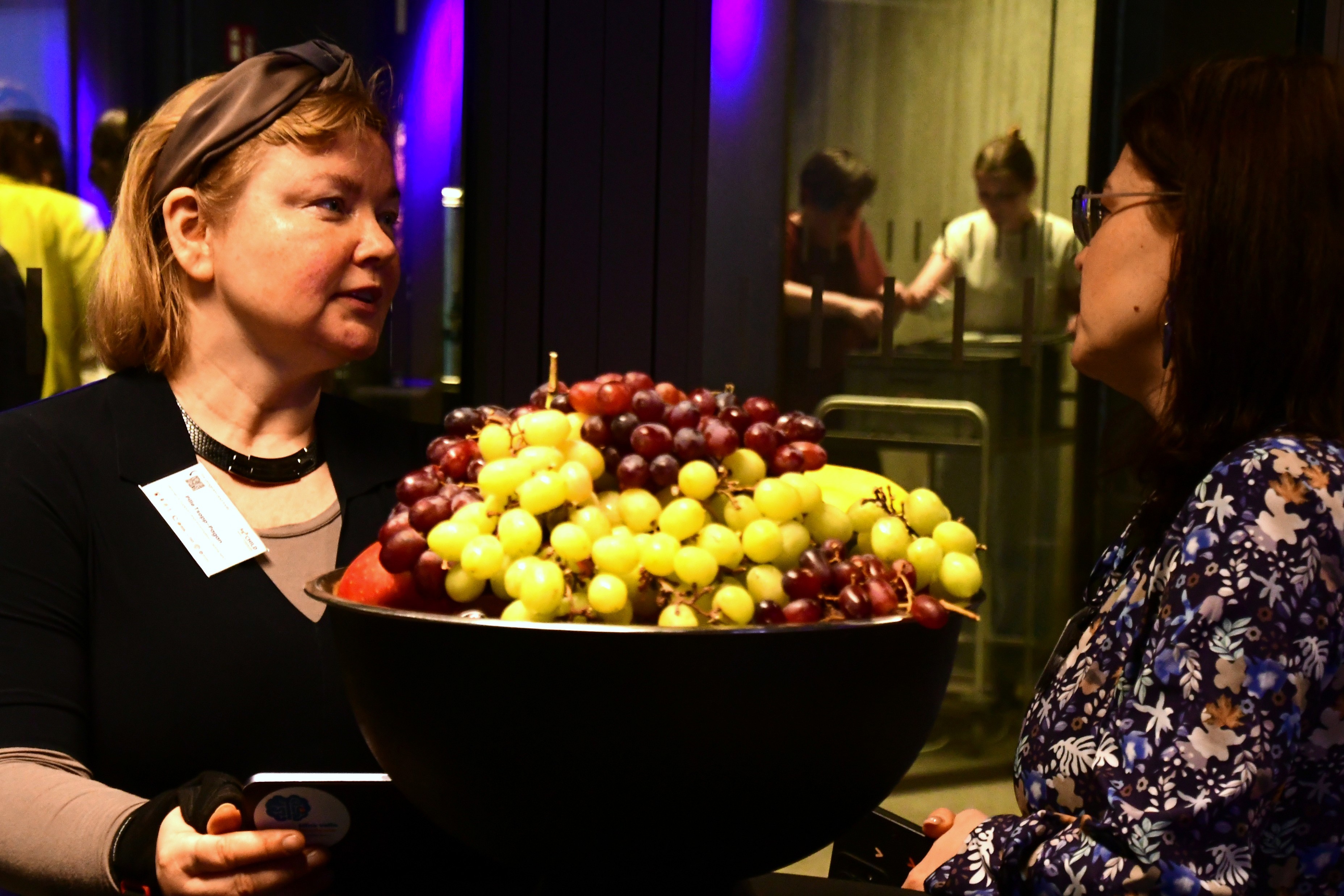
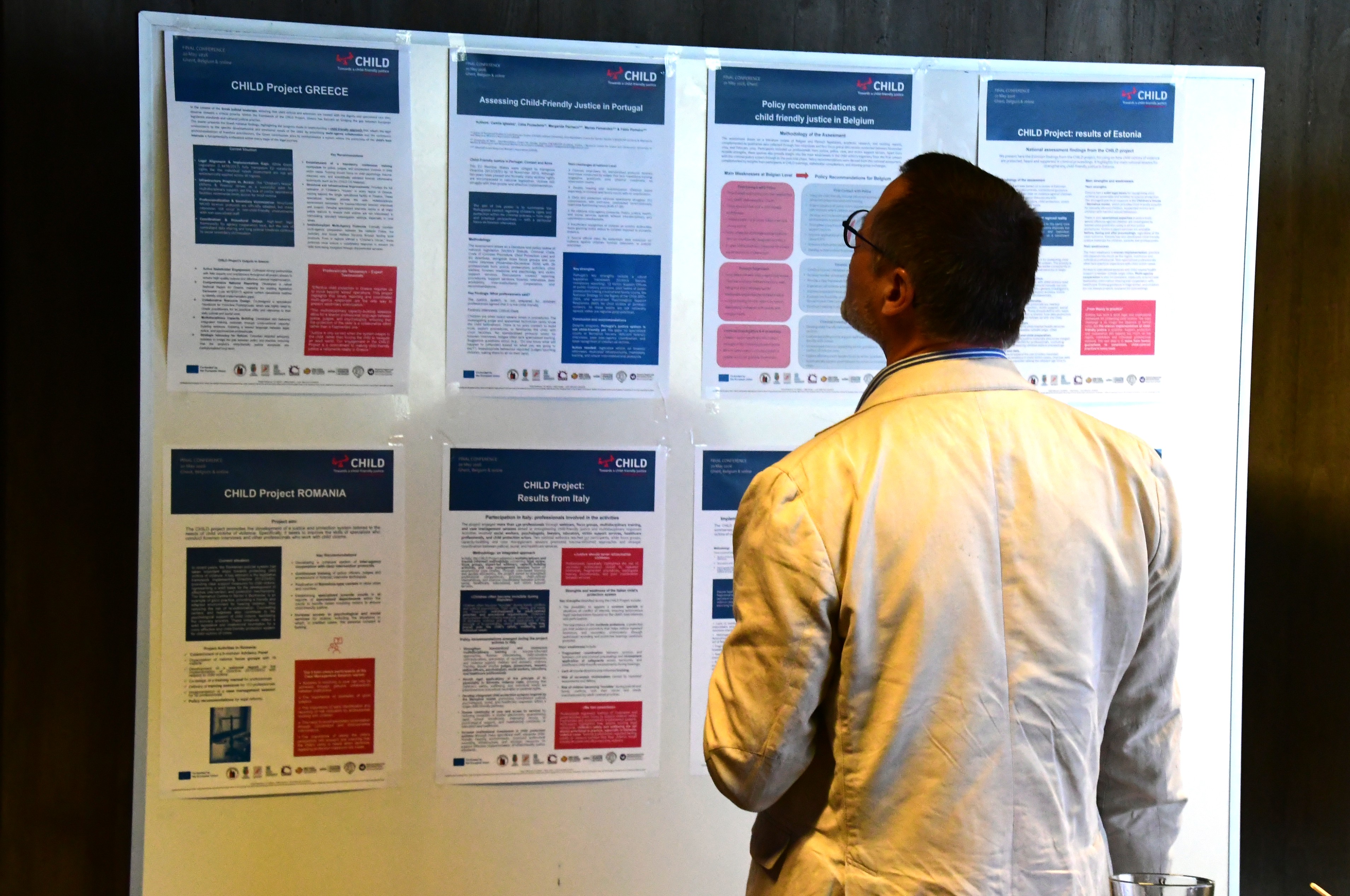
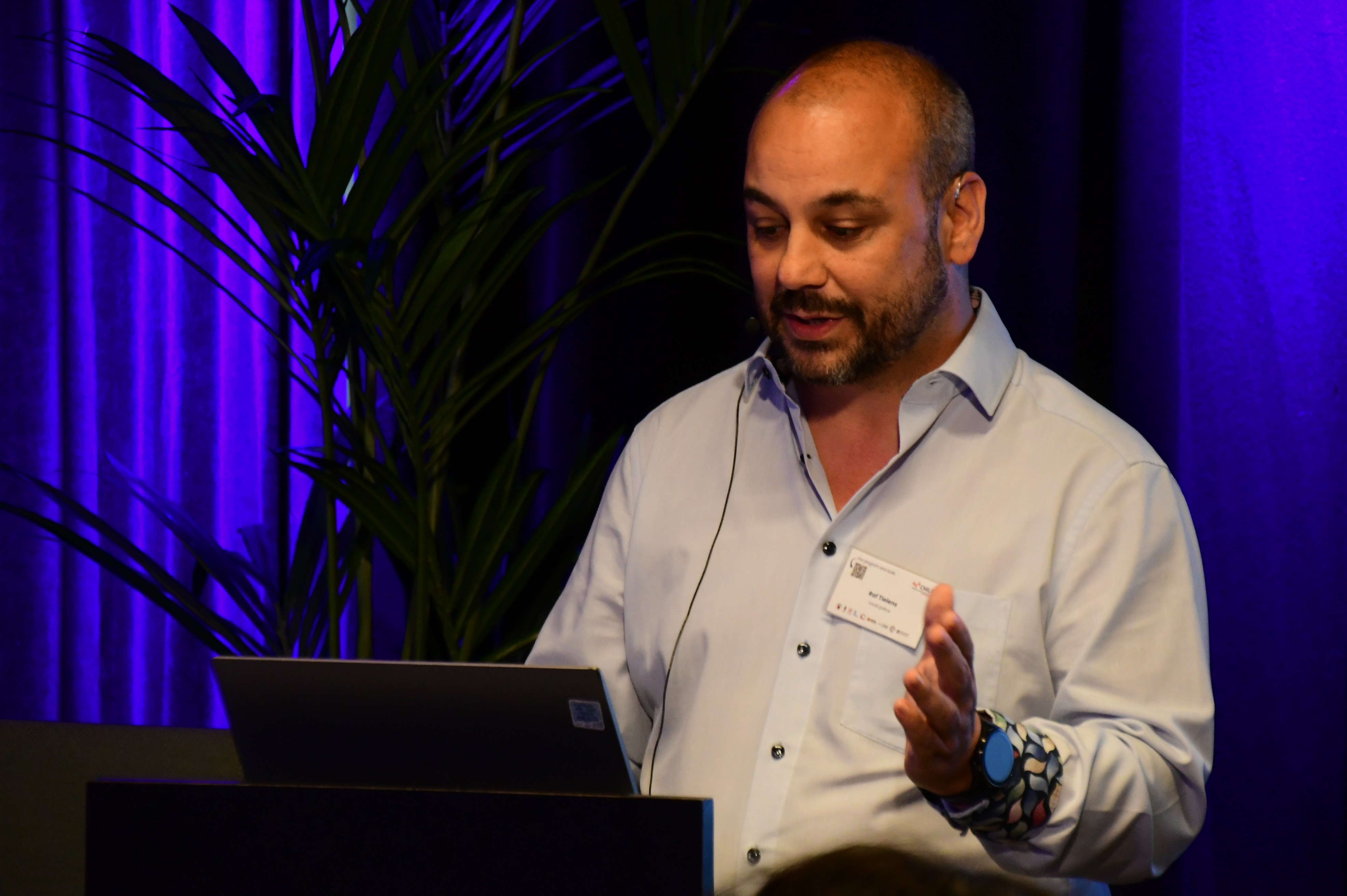
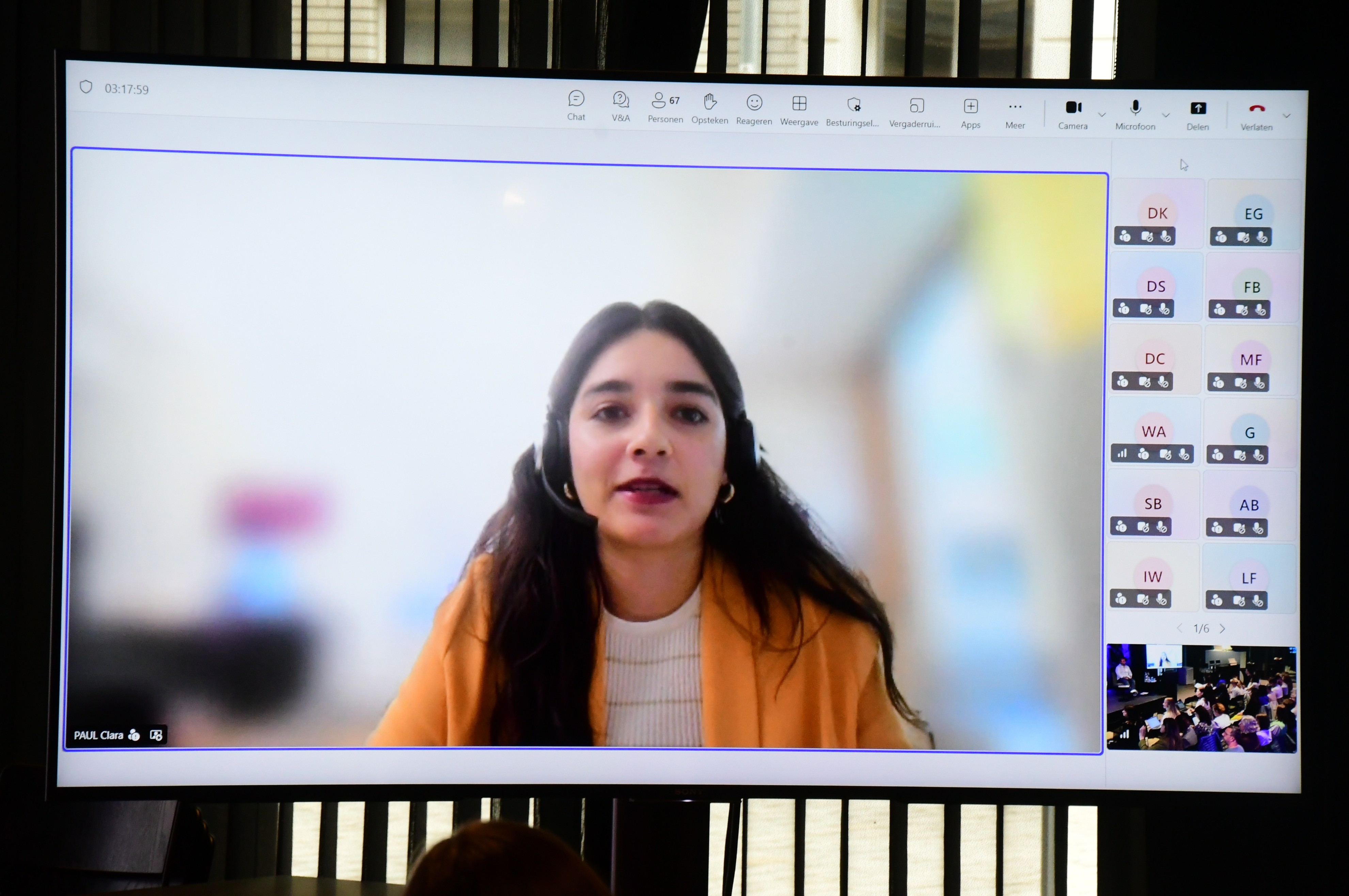
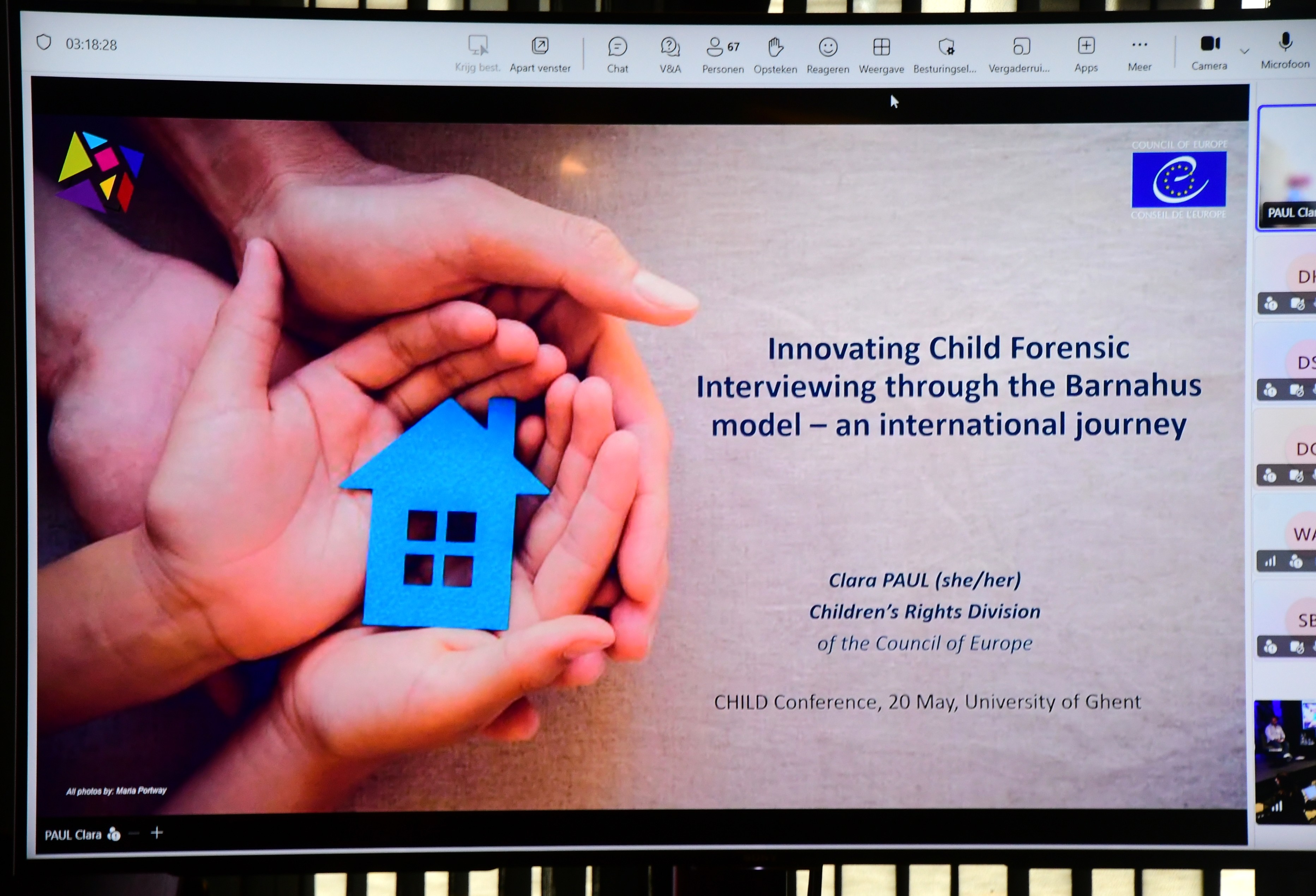
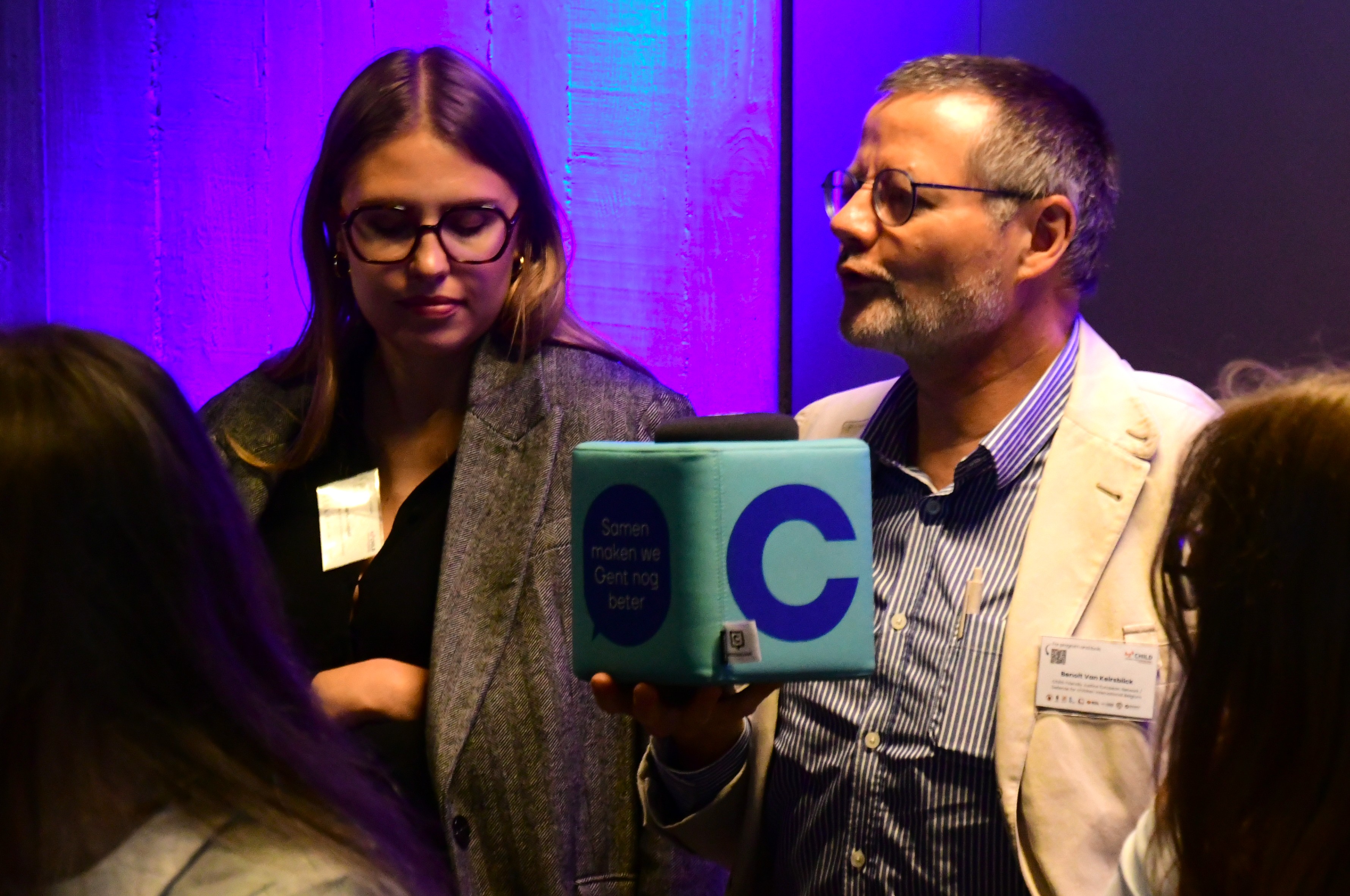
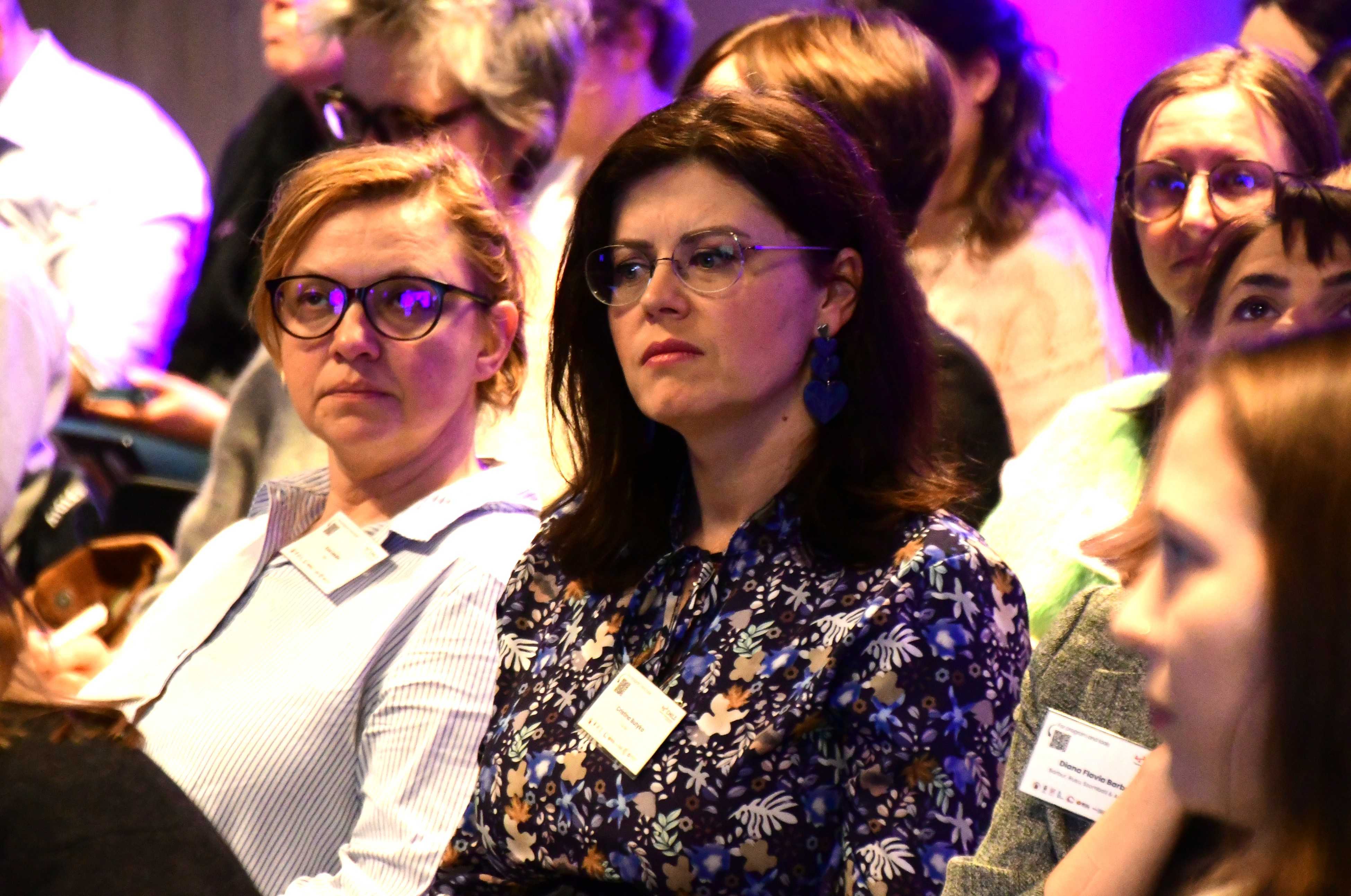
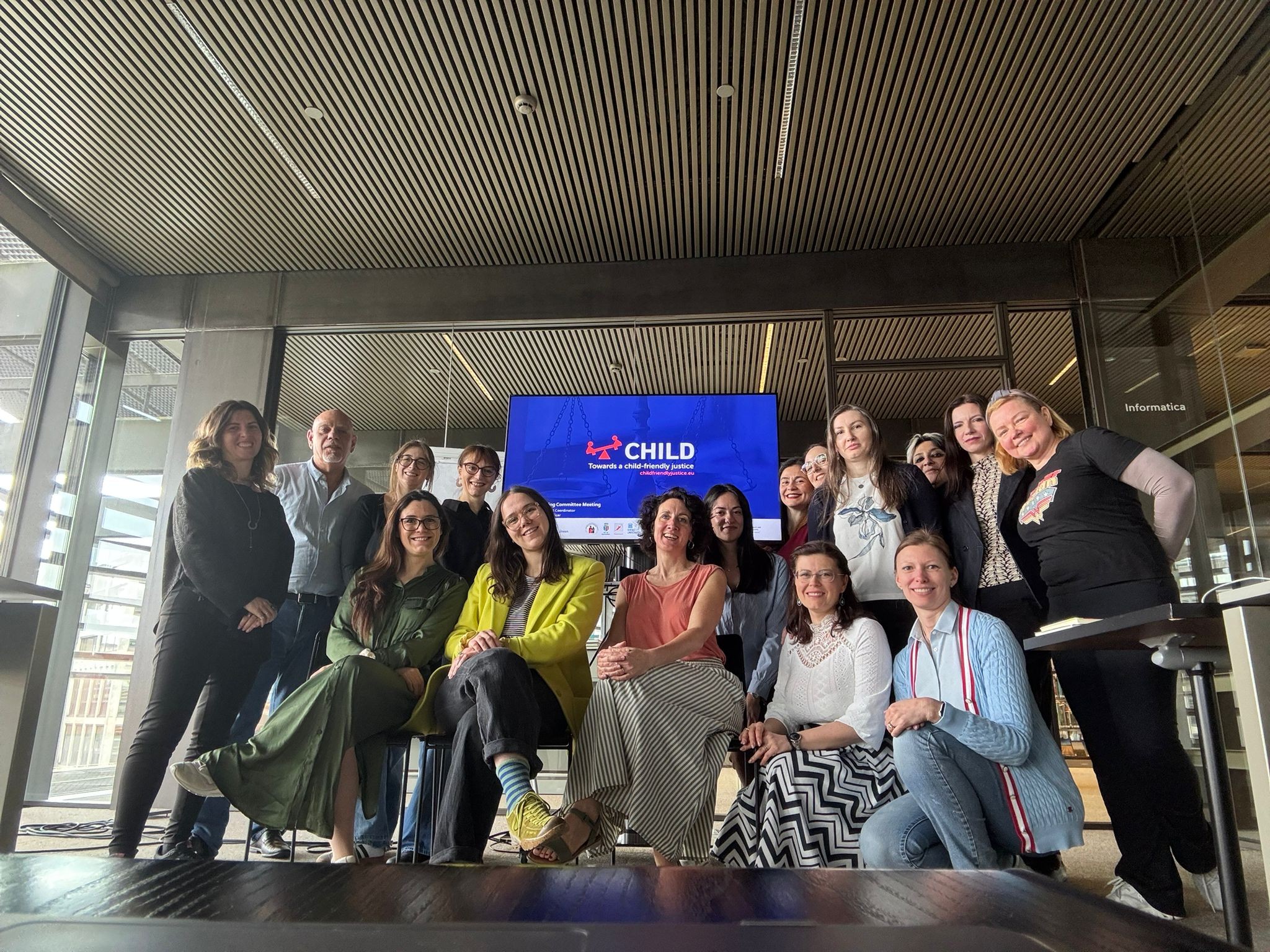
On 20 May 2026, partners, professionals, researchers, and stakeholders from across Europe gathered in Ghent for the Final Conference of the CHILD Project. The event provided an inspiring opportunity to reflect on the project's achievements, exchange experiences, and discuss the future of child-friendly justice in Europe.
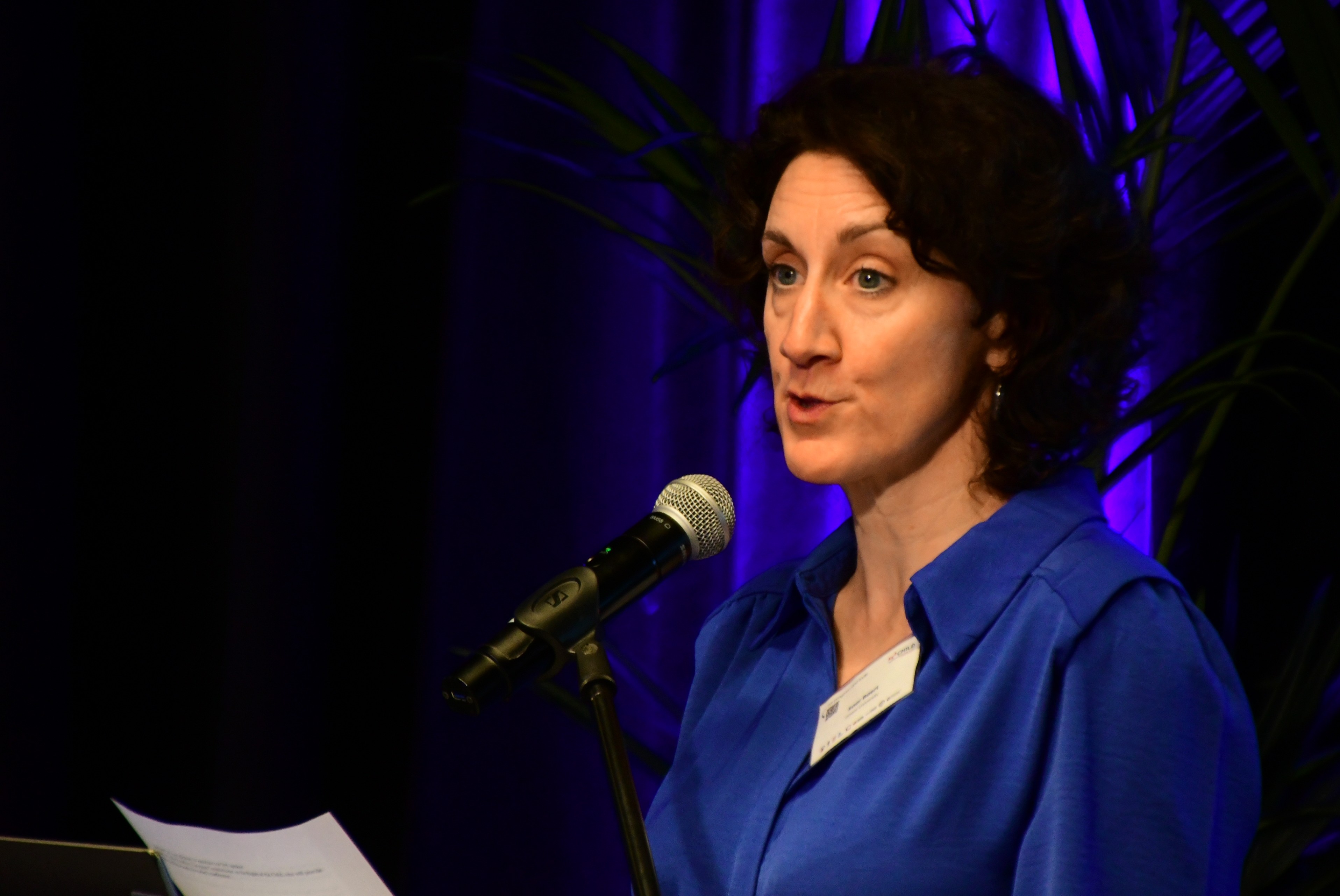
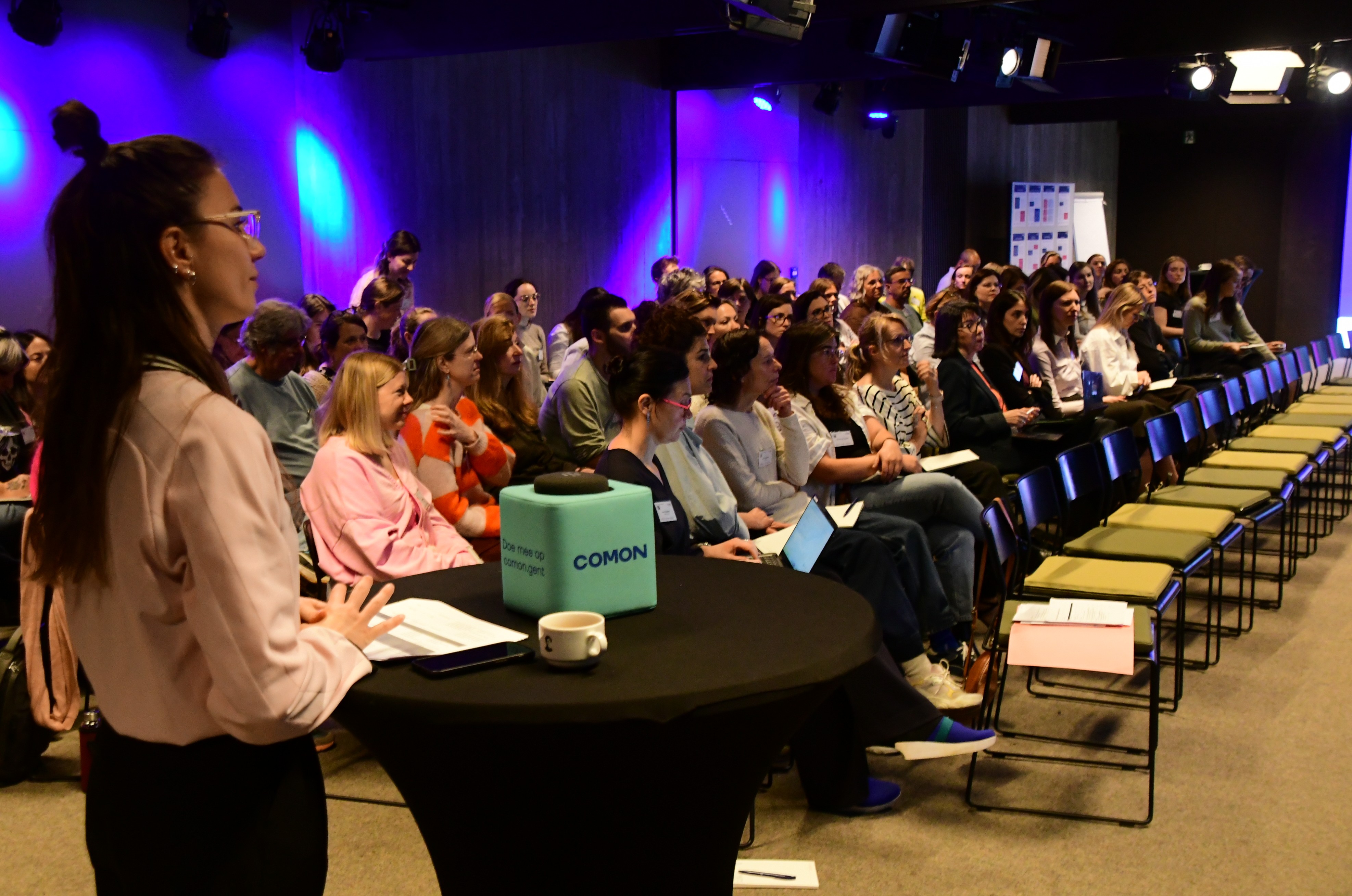
Throughout the day, speakers shared promising practices, explored the project's key findings and tools, and generated new ideas for improving support and justice responses for child victims and witnesses of violence. Meaningful discussions and exchanges throughout the conference helped build stronger connections among professionals working to improve justice systems for children across Europe.
As the CHILD Project comes to an end, we are proud of what we have achieved together and grateful to everyone who contributed to this important journey. The discussions, partnerships, and ideas developed through the project will continue to support efforts towards more child-friendly justice systems across Europe.
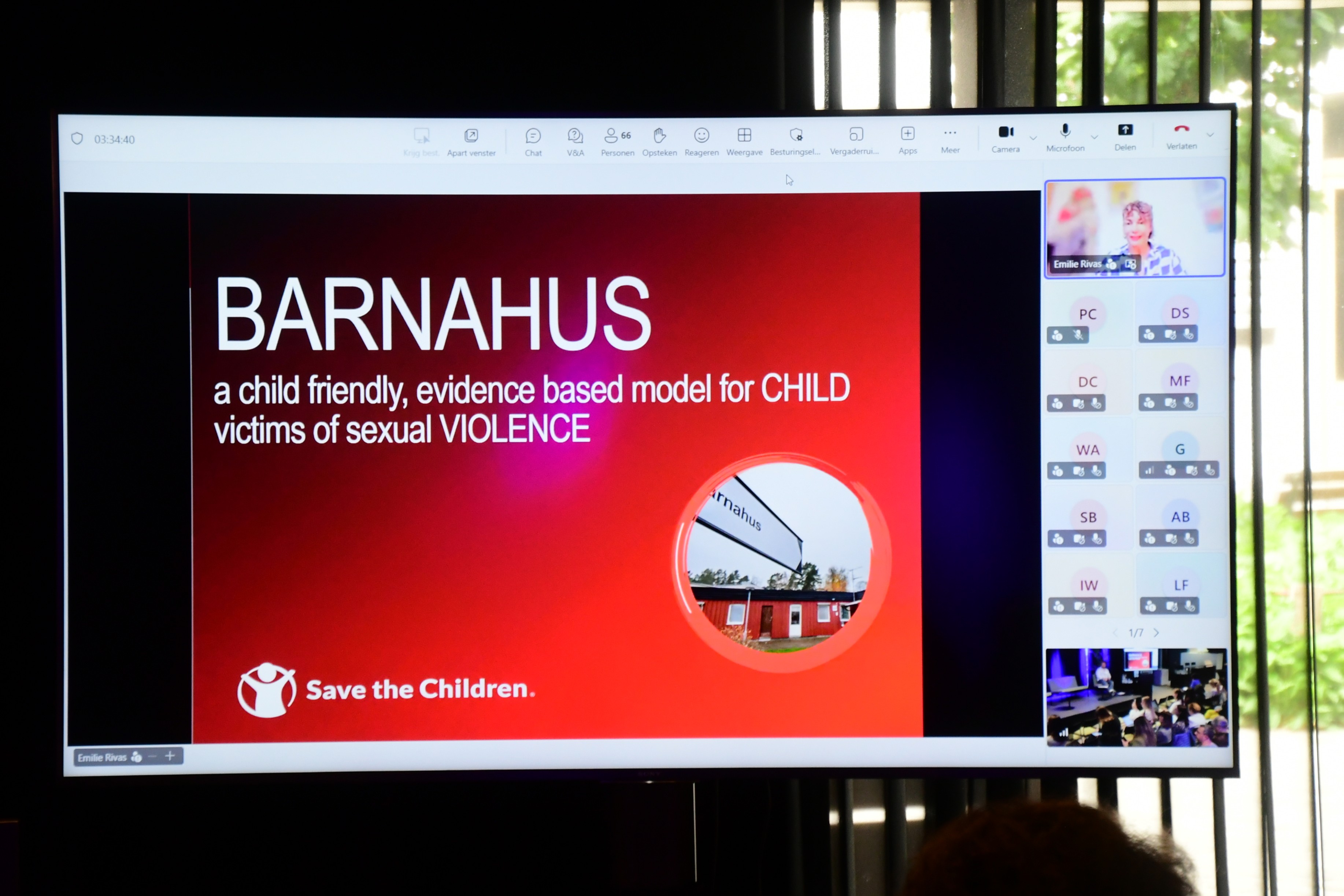
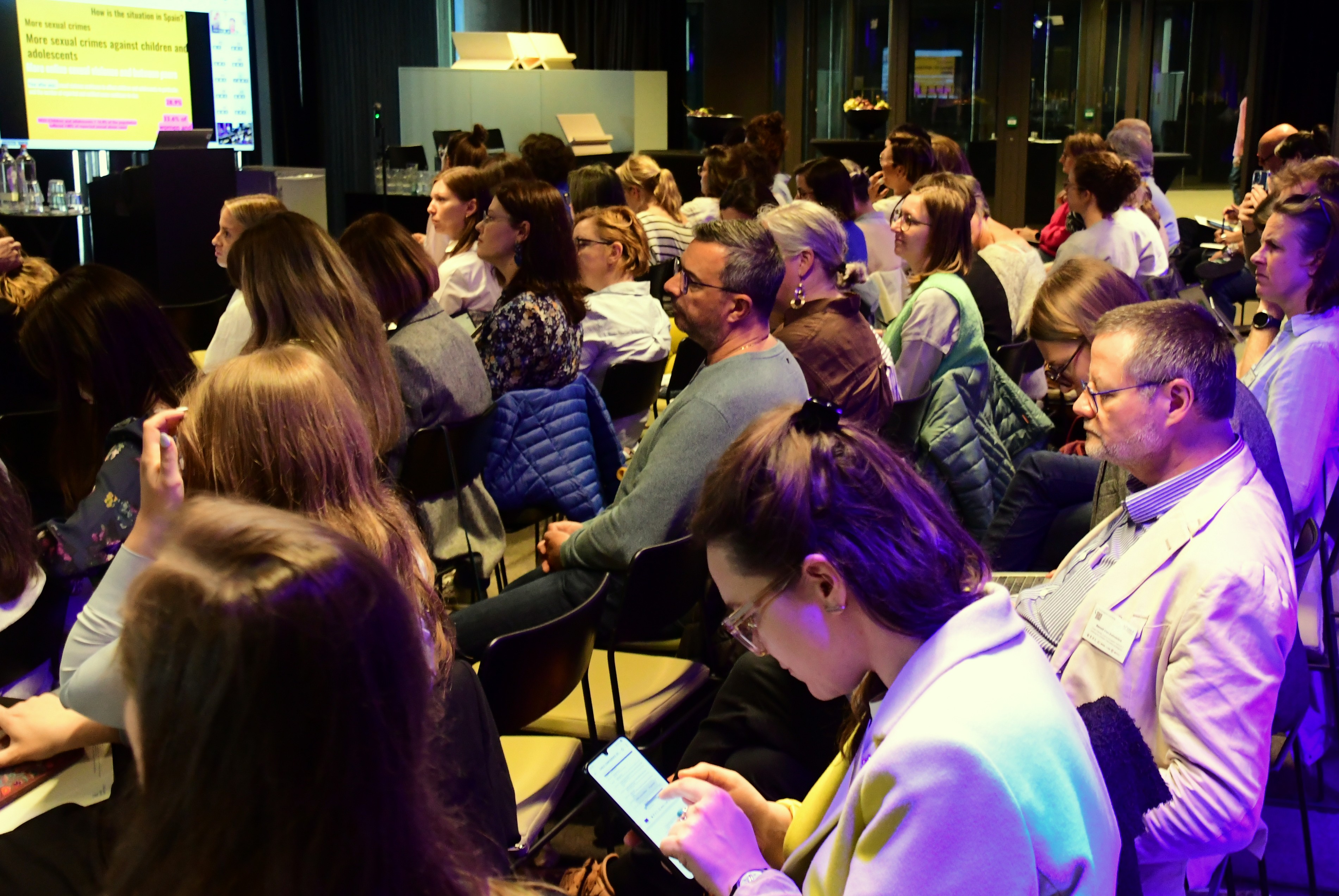
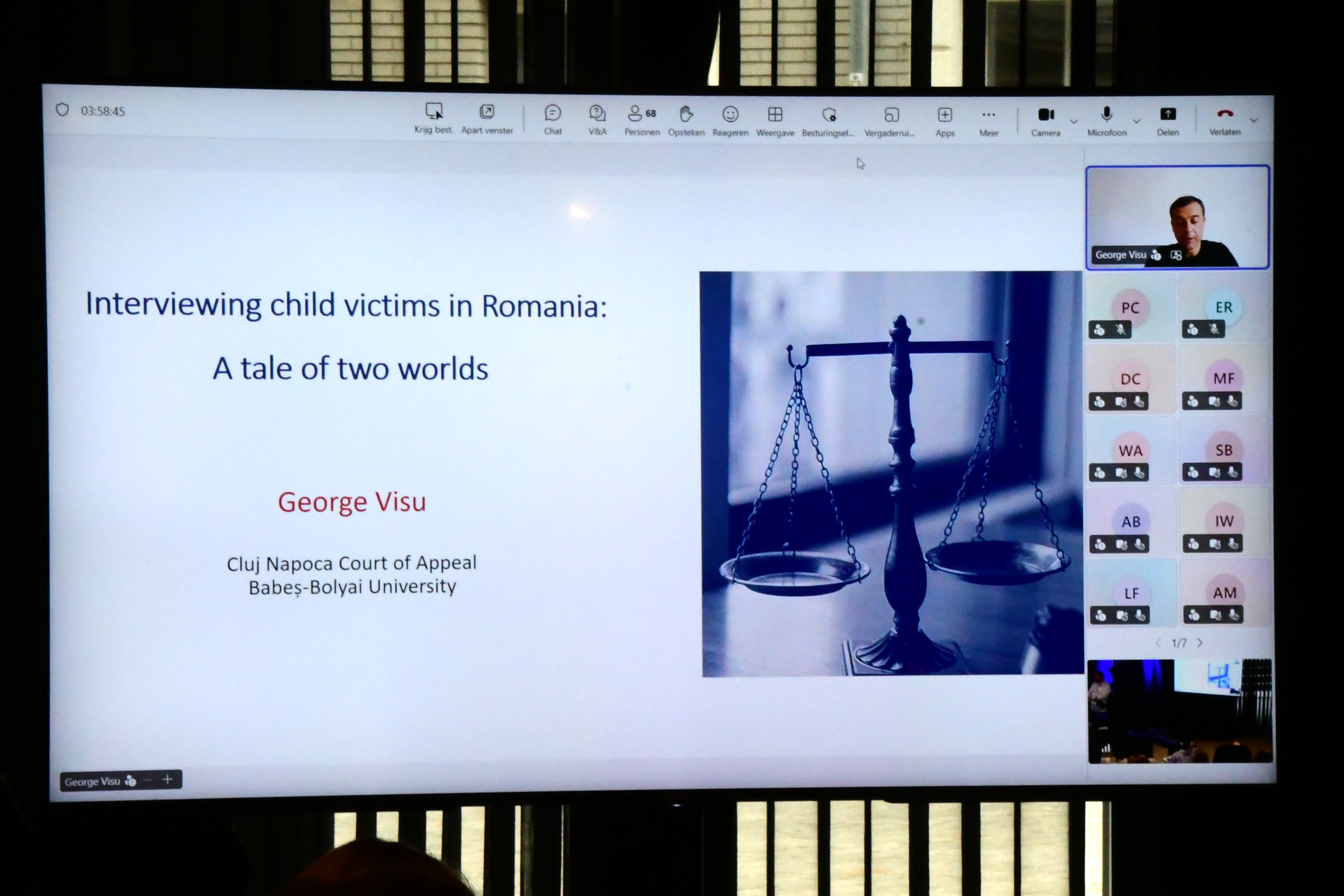
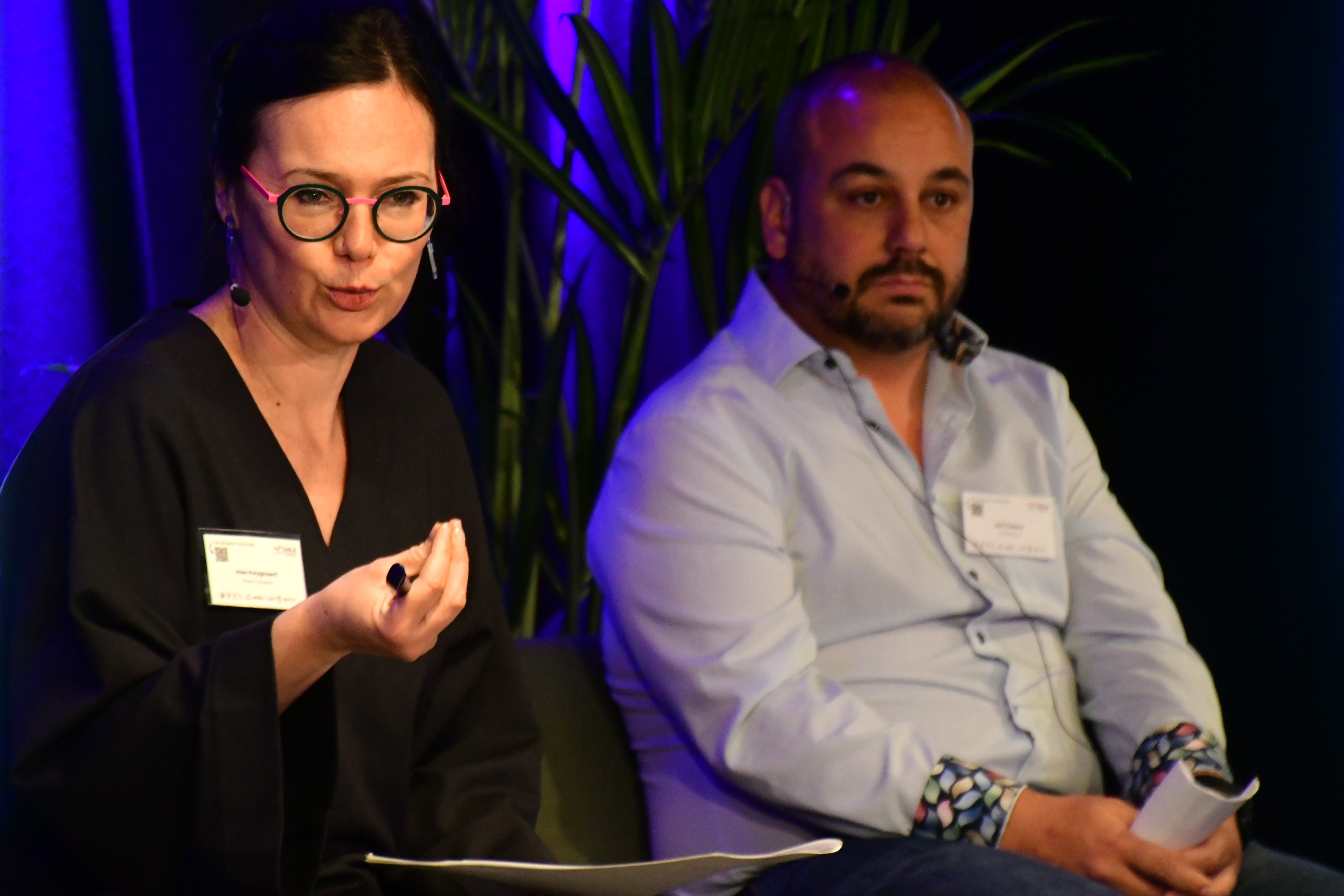
Take a look at some highlights from the Final Conference in the photos below! © Gunther Ruyssinck



XI World Congress on Childhood and Youth | Porto 2026
In 2026, Porto will host the XI World Congress on Childhood and Youth, an international space for reflection and dialogue on the challenges facing childhood and youth in a constantly changing world. Under the theme “Navigating Diversity, (In)equality and Inclusion”, the Congress brings together experts, educators, policymakers, and young people to foster inclusive debates and develop strategies that value diversity and address inequalities.
The event includes a Youth Programme, aimed at young people aged 12 to 18, featuring educational, participatory, and awareness-raising activities. The Programme will take place on 18, 19, and 20 November 2026, with groups of up to 20 participants, and will be delivered by partner organizations.
Participants in the CHILD Conference are eligible for a 10% discount on the submission of papers and posters, upon use of a PROMOCODE, which will be
sent after the Conference.
The Congress also features an official podcast, available on Spotify and
YouTube, dedicated to sharing reflections, debates, and contributions from experts and young people.
More information:
Official website:
https://xi-congressoinfanciaejuventude.eventqualia.net/pt/inicio/
Email: xicongressoinfanciajuventude@gmail.com
Congress Podcast:
Spotify: https://bit.ly/4rykgcT
YouTube: http://www.14dd5266c70789bdc806364df4586335-gdprlock/@XICongressoInfanciaeJuventude
Social media:
Instagram: @xicongressoinfanciajuventude
Resources & Tools: Guide for Professionals
-
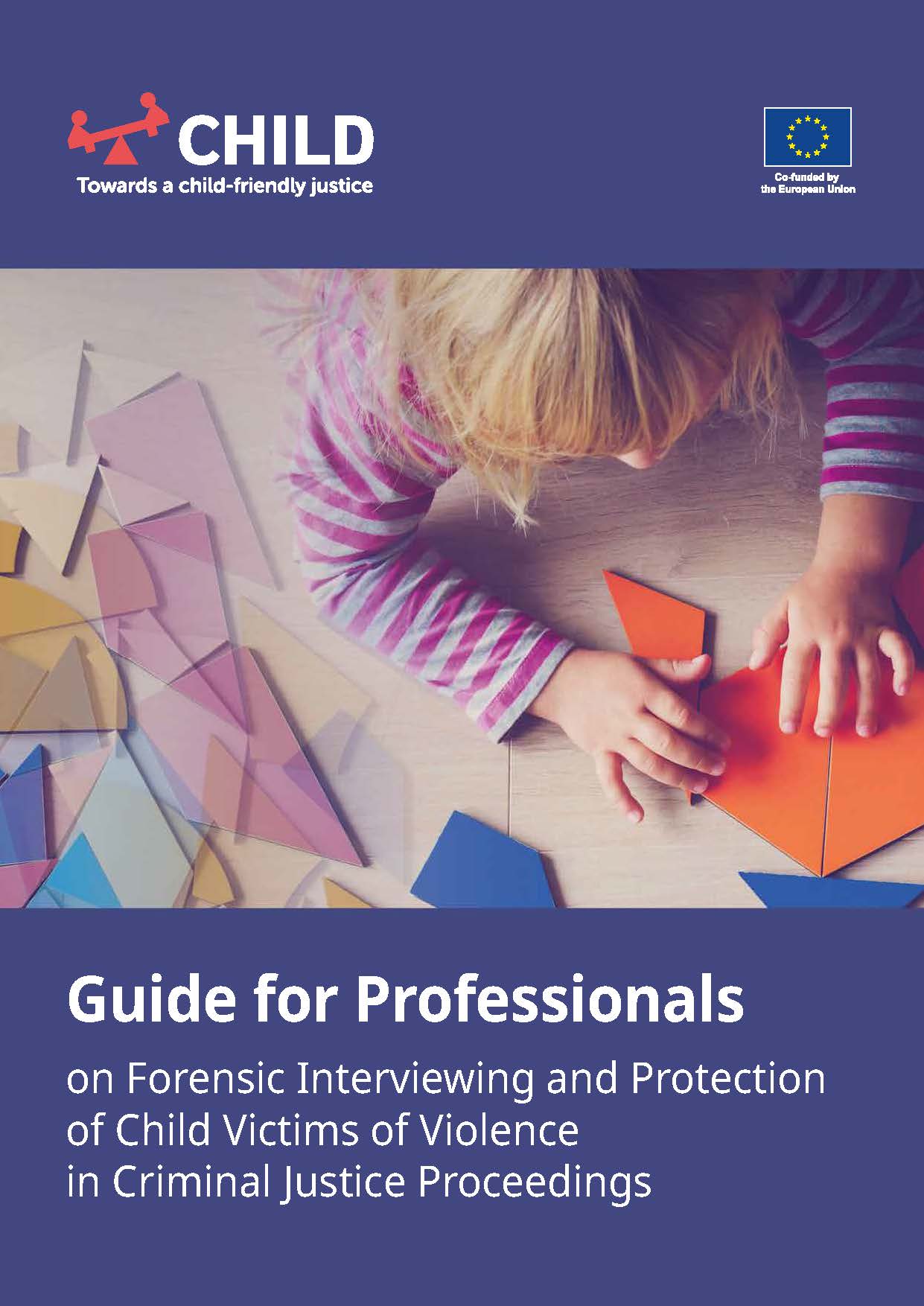
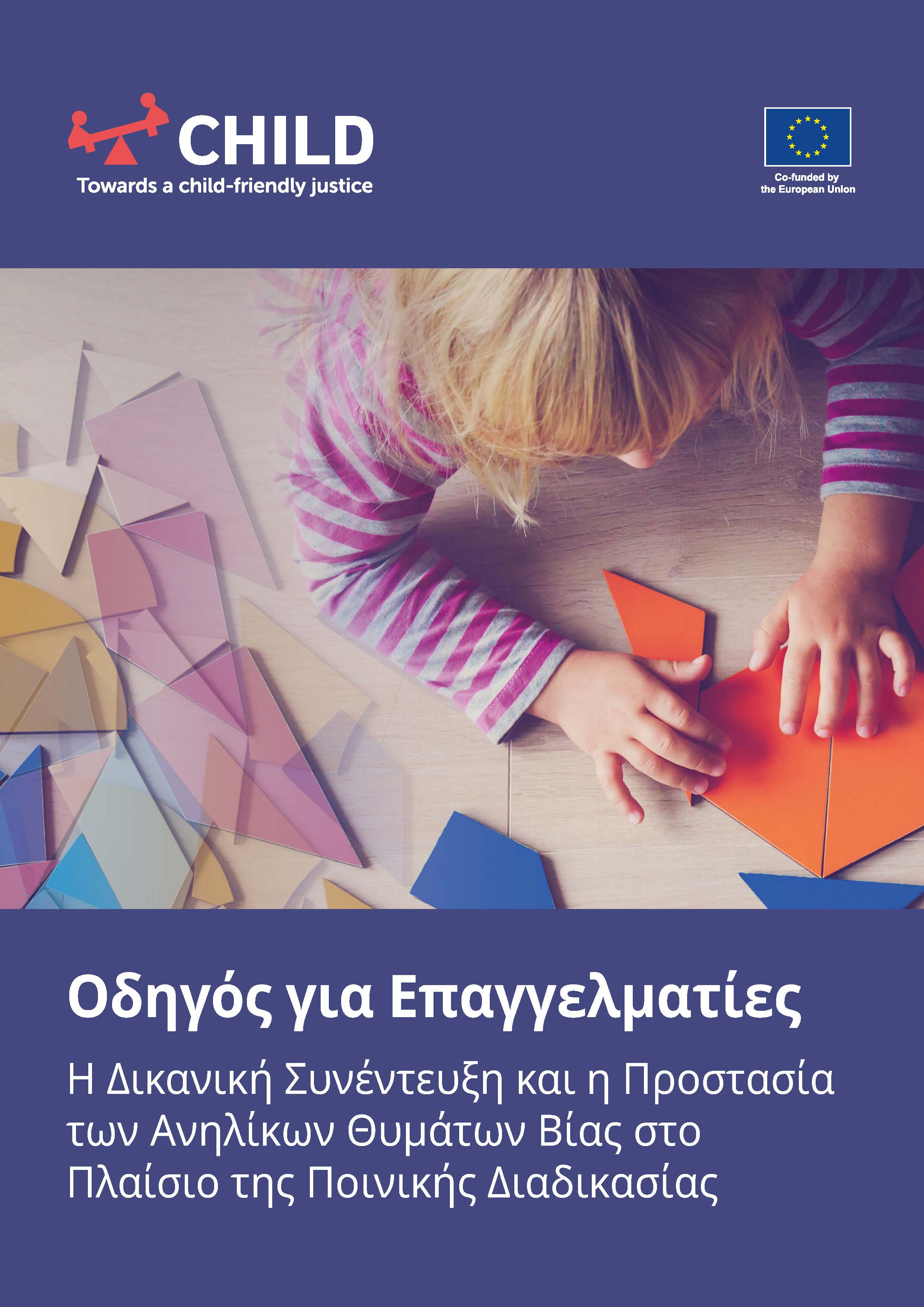
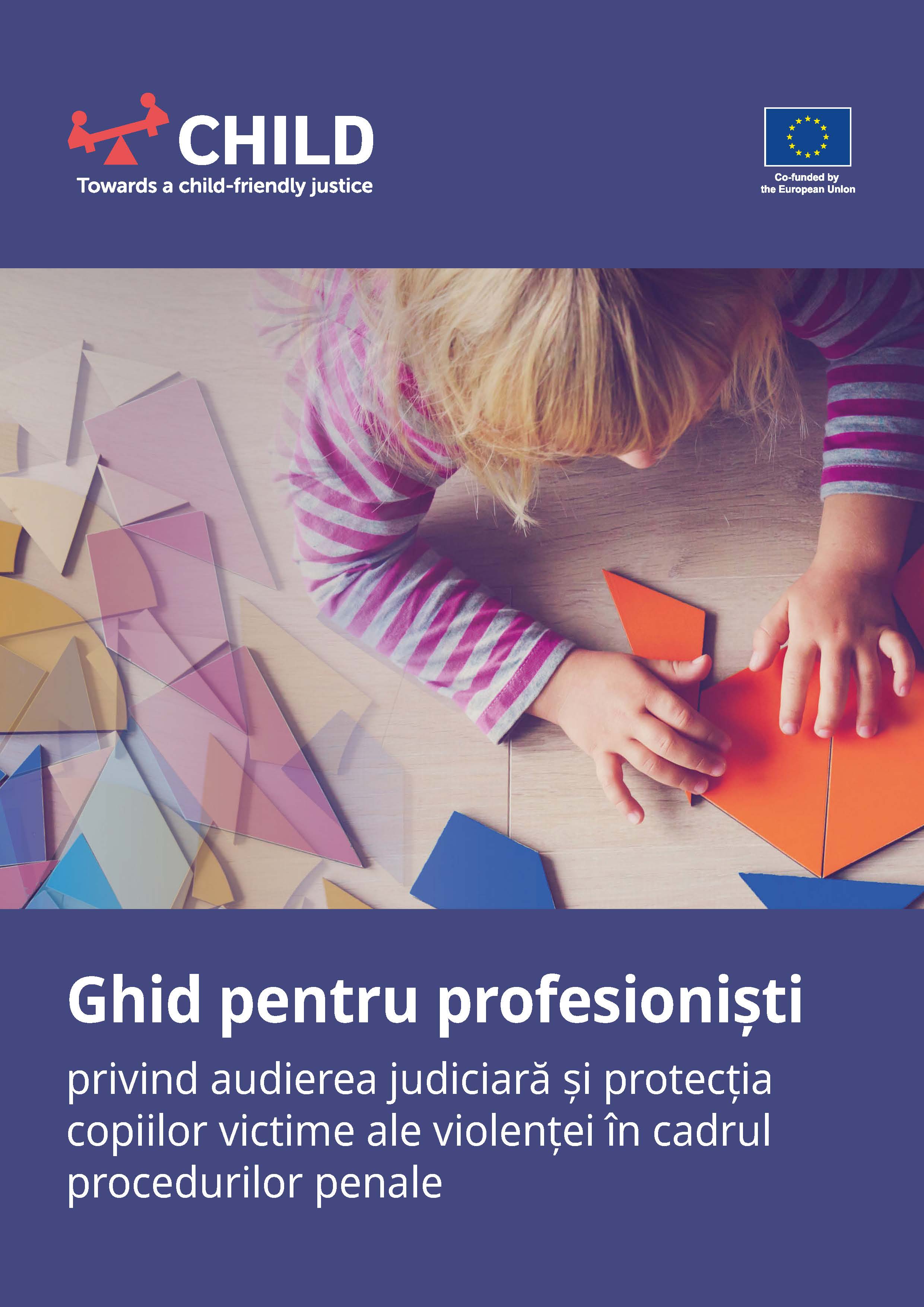
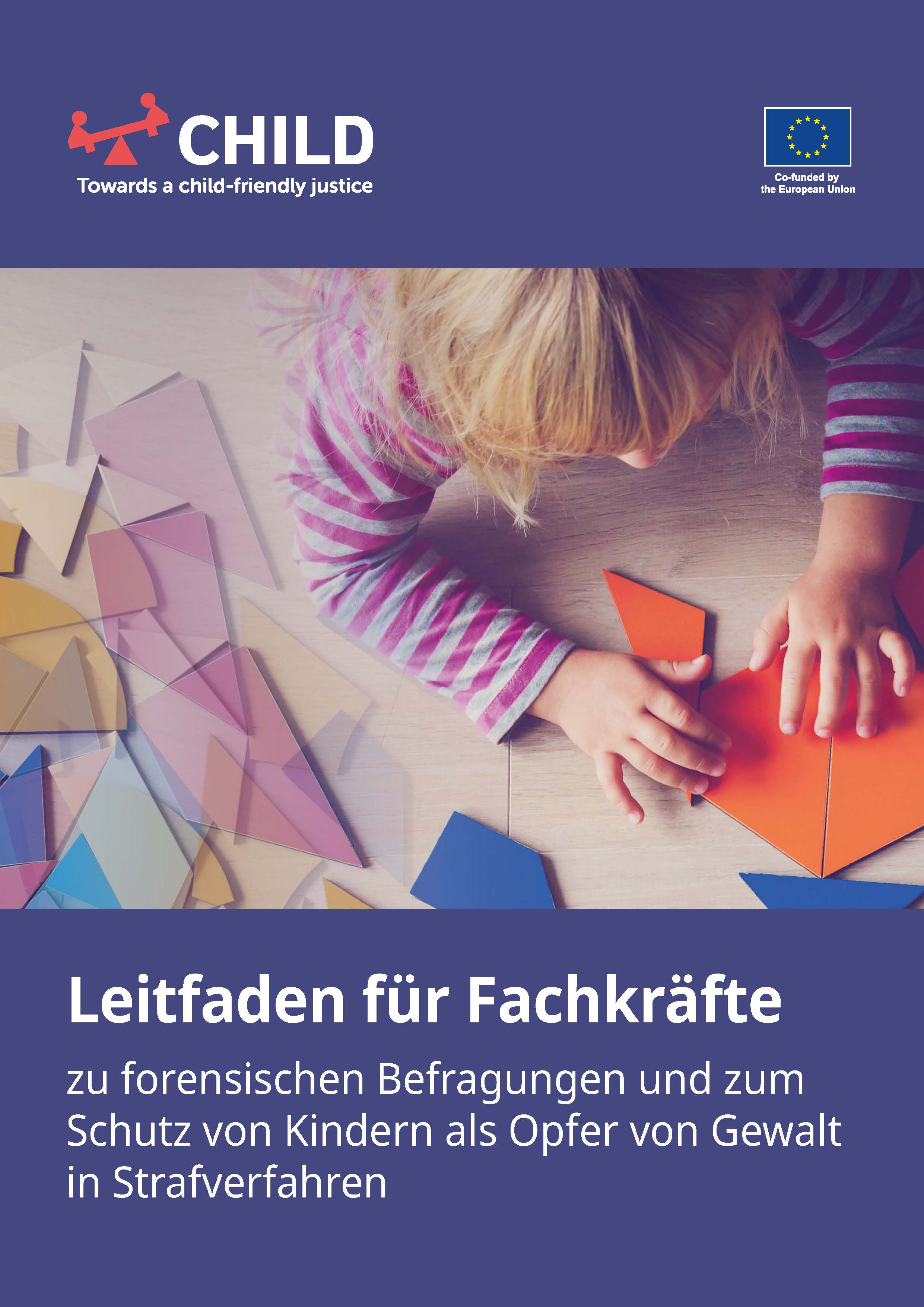
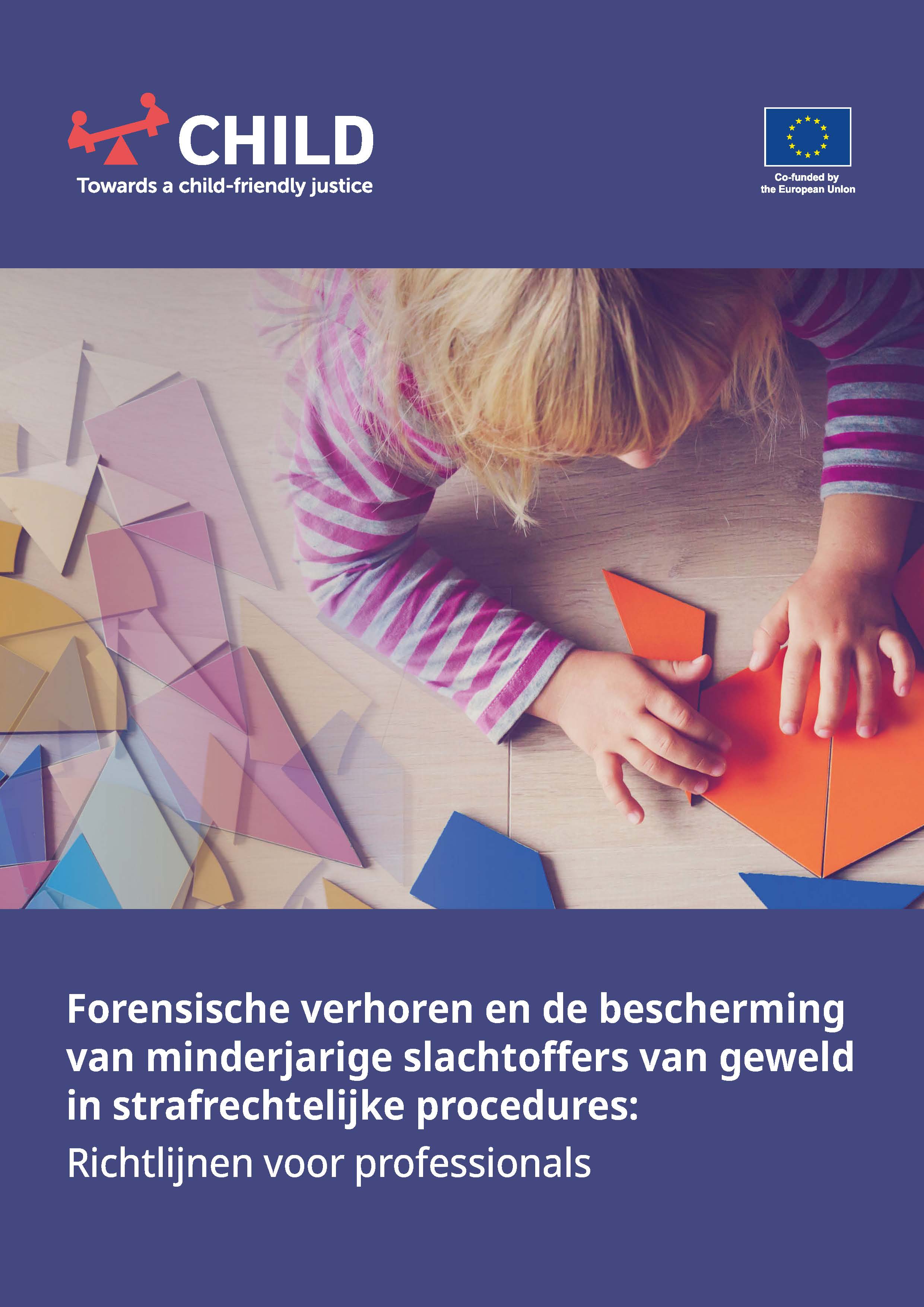
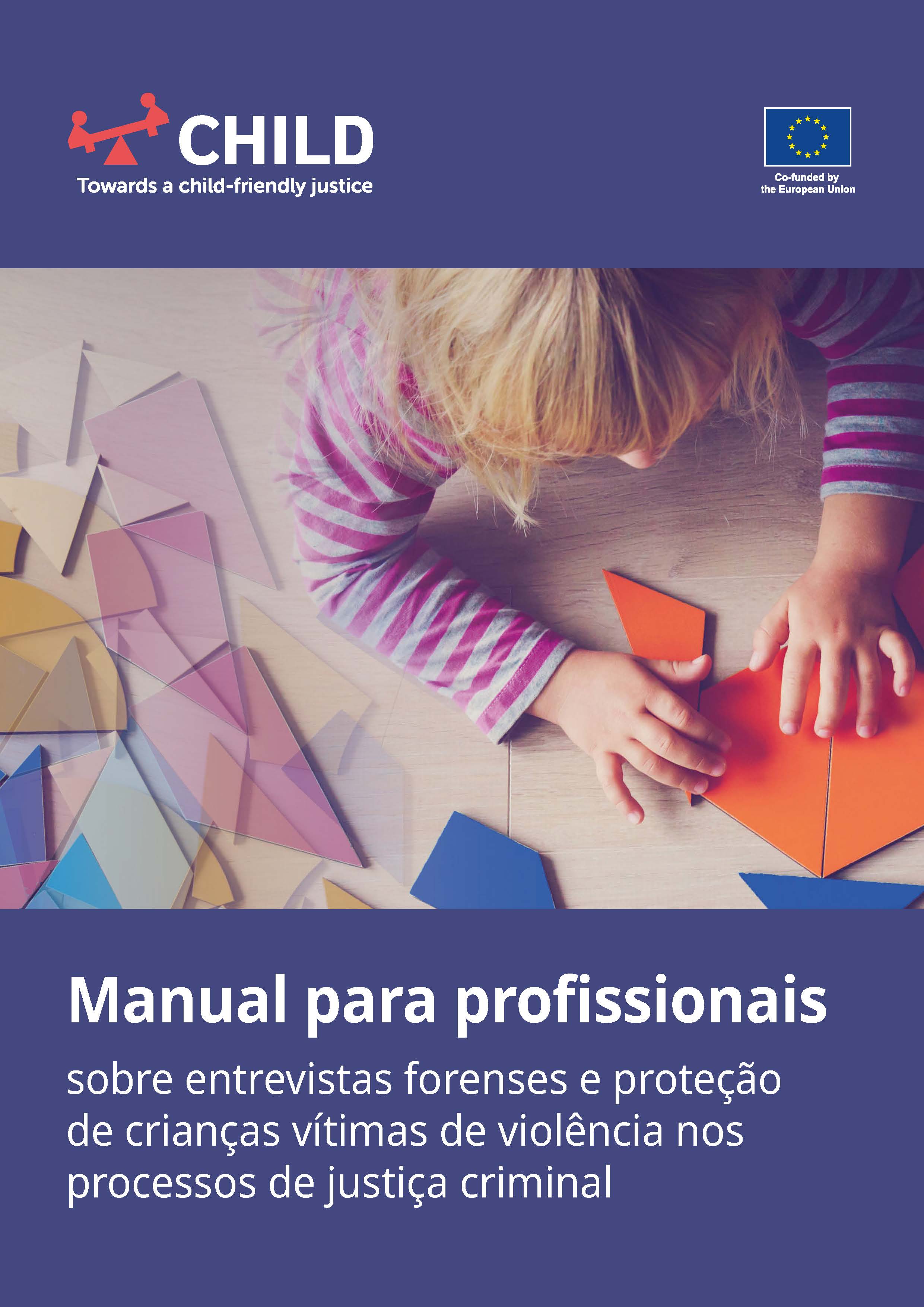
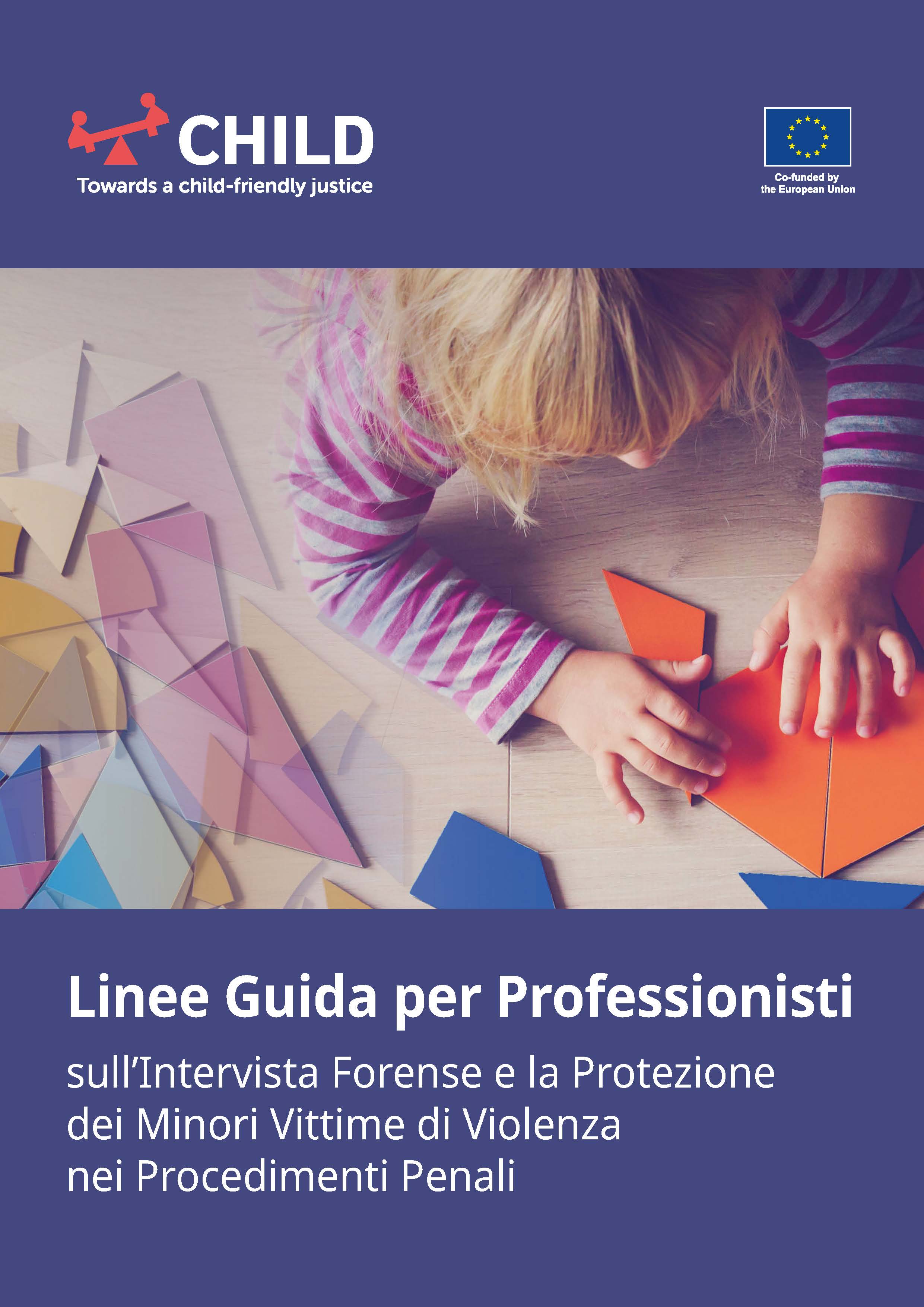
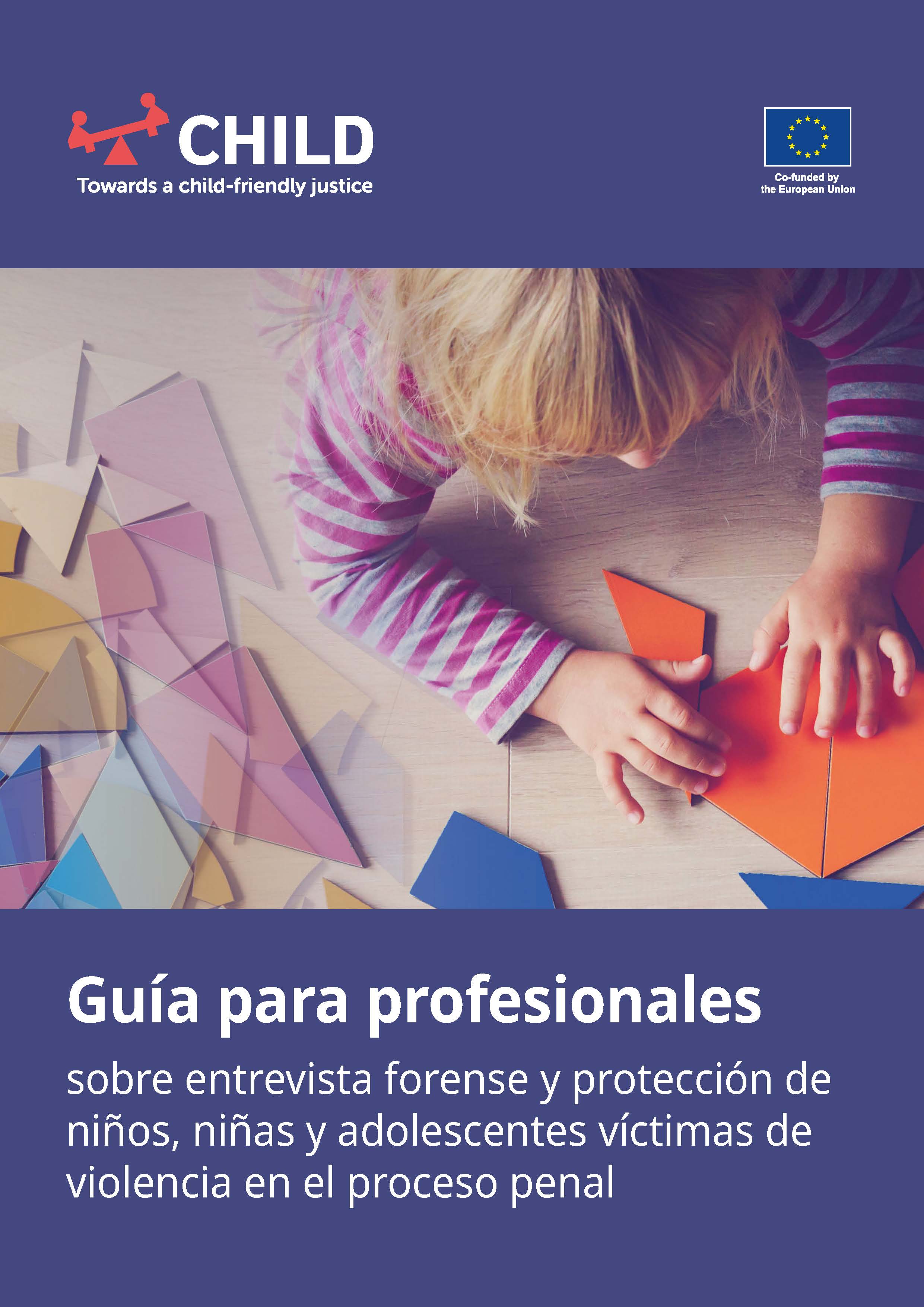
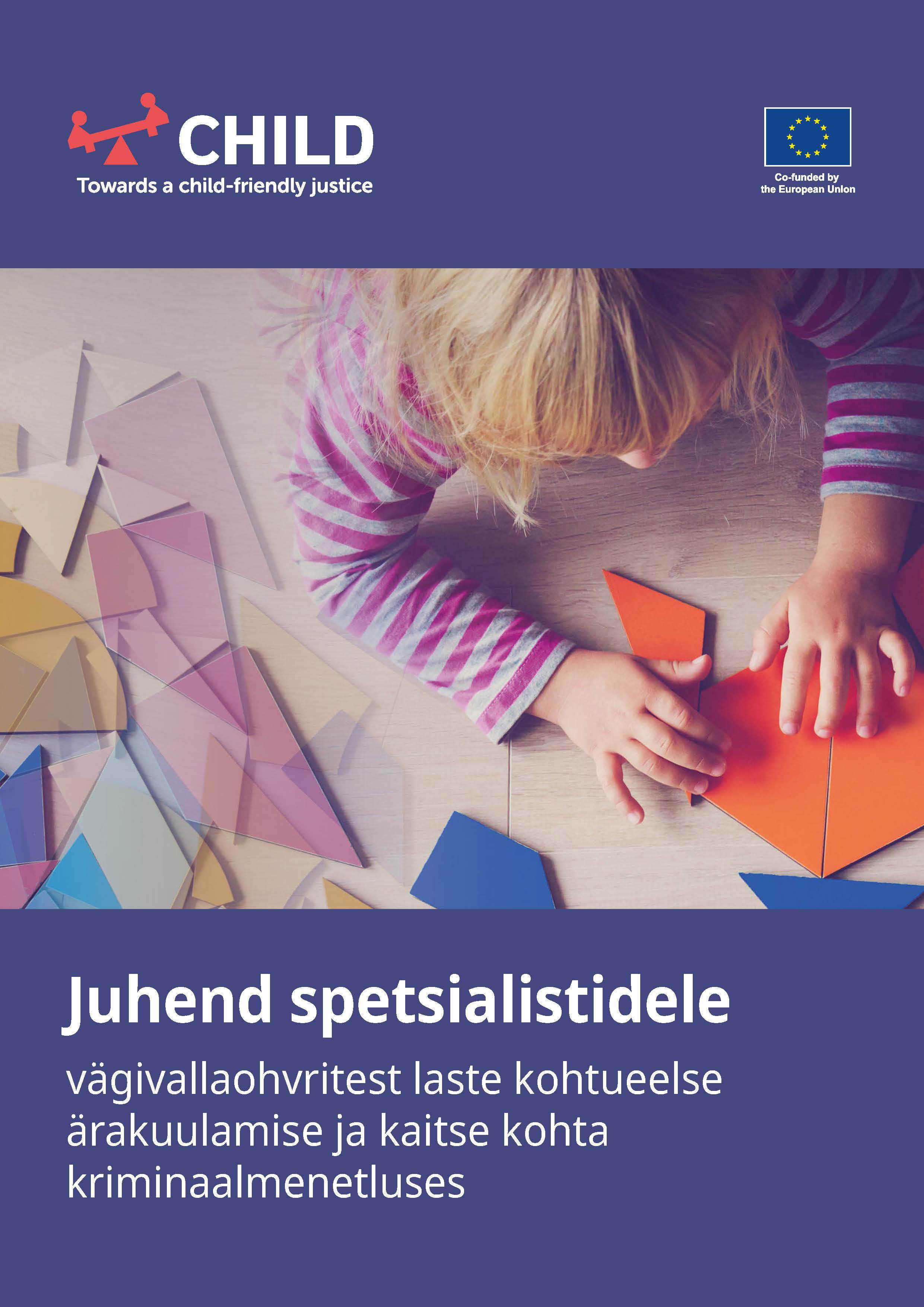
Each year, approximately 2.5 million children across the EU are involved in judicial proceedings as witnesses, victims, or parties to proceedings. Yet most national justice systems remain adult-oriented, and professionals frequently lack the specialised training needed to support children effectively. The CHILD project addresses this gap with a newly developed Guide for Professionals on Forensic Interviewing and Protection of Child Victims of Violence in Criminal Justice Proceedings.
The guide promotes a trauma-informed and child-friendly approach throughout criminal justice proceedings, placing particular emphasis on forensic interviewing and multidisciplinary and interagency collaboration. The guide is addressed to all professionals who interact with child victims in criminal justice proceedings: prosecutors, judges, lawyers, police officers, ad hoc guardians and special representatives, as well as health, welfare, care, and victim support professionals. While core principles are shared, the guidance is designed to be applied according to each professional's specific role — from informing legal decision-making and evidence gathering to advocating for the child's best interests and supporting multidisciplinary collaboration.
-
-
-
-
-
-
-
-
Resources & Tools: News Flashes
-
News Flash: National Report Austria
-
News Flash: National Report Romania
-
News Flash: National Report Cyprus
-
News Flash: National Report Spain
-
News Flash: National Report Italy
-
News Flash: National Report Belgium
-
News Flash: National Report Portugal
-
News Flash: National Report Greece
-
News Flash: Capacity Building Sessions
-
News Flash: Case Management Sessions
-
News Flash: Guide for Professionals
-
News Flash: Policy Recommendations
-
News Flash: Draft Amendment
Resources & Tools: Press Releases
-
Joint Press Release – Transnational and National Reports
-
Joint Press Release – Transnational Case Management Session
-
Joint Press Release – Policy Recommendations
-
Joint Press Release – Guide for Professionals
-
Press Release - Project Launch
-
Press Release - Final Conference
-
Press Release - Project Completion
Resources & Tools: National Report
- National Report Cyprus
- National Report Romania
- National Report Austria
- National Report Belgium
-
National Report Portugal
Here you can find the National Report in English and in Portuguese.
- National Report Italy
- National Report Spain
- National Report Greece
- National Report Estonia
Resources & Tools: Transnational Report
- Transnational Report English
-
Transnational Report Dutch
Here you can find the Transnational Report in Dutch.
-
Transnational Report Estonian
Here you can find the Transnational Report in Estonian.
-
Transnational Report German
Here you can find the Transnational Report in German.
-
Transnational Report Greek
Here you can find the Transnational Report in Greek.
-
Transnational Report Italian
Here you can find the Transnational Report in Italian.
-
Transnational Report Portuguese
Here you can find the Transnational Report in Portuguese.
-
Transnational Report Romanian
Here you can find the Transnational Report in Romanian.
-
Transnational Report Spanish
Here you can find the Transnational Report in Spanish.
Resources & Tools: Assessment of the Proposed Amendments to the EU Victims’ Rights Directive
-
Assessment of the Proposed Amendments to the EU Victims’ Rights Directive
This assessment examines the European Commission’s proposal to revise Directive 2012/29/EU establishing minimum standards on the rights, support and protection of victims of crime. It focuses on the practical implementation, legal coherence and effectiveness of the proposed amendments, with particular attention to the needs and rights of child victims.
Building on existing EU law and policy, including the Charter of Fundamental Rights of the European Union, the EU Strategy on the Rights of the Child and the EU Strategy on Victims’ Rights, the assessment analyses whether the proposed changes adequately address the implementation gaps identified in recent evaluations. While welcoming the objectives of the reform, it also formulates recommendations to further strengthen the protection of victims and to ensure that victims’ rights are effectively realised in practice across all EU Member States. - Assessment of the Proposed Amendments to the EU Victims’ Rights Directive - English
- Assessment of the Proposed Amendments to the EU Victims’ Rights Directive - Greek
- Assessment of the Proposed Amendments to the EU Victims’ Rights Directive - Dutch
- Assessment of the Proposed Amendments to the EU Victims’ Rights Directive - Estonian
- Assessment of the Proposed Amendments to the EU Victims’ Rights Directive - German
- Assessment of the Proposed Amendments to the EU Victims’ Rights Directive - Italian
- Assessment of the Proposed Amendments to the EU Victims’ Rights Directive - Portuguese
- Assessment of the Proposed Amendments to the EU Victims’ Rights Directive -Romanian
- Assessment of the Proposed Amendments to the EU Victims’ Rights Directive - Spanish
Resources & Tools: Policy Recommendations at EU Level
-
Policy Recommendations at EU Level
Within the CHILD project, Policy Recommendations on Child-Friendly Justice for Child Victims of Violence and Forensic Interviewing at EU Level have been developed.
The recommendations are based on nine national reports and one transnational comparative report assessing the strengths and shortcomings of existing child protection and child-friendly justice systems (see below). They promote the best interests of the child as the guiding principle in all proceedings involving child victims and highlight the need for effective implementation of the EU Victims’ Rights Directive (Directive 2012/29/EU).The document provides concrete recommendations to strengthen child-friendly justice, improve forensic interviewing and support services, and ensure that the rights of child victims are effectively protected across the European Union. - Policy Recommendations at EU Level - English
- Policy Recommendations at EU Level - Greek
- Policy Recommendations at EU Level - Dutch
- Policy Recommendations at EU Level - Estonian
- Policy Recommendations at EU Level - German
- Policy Recommendations at EU Level - Italian
- Policy Recommendations at EU Level - Portuguese
- Policy Recommendations at EU Level - Romanian
- Policy Recommendations at EU Level - Spanish
Resources & Tools: Policy Recommendations at National Level
-
Policy Recommendations at National Level
As part of the CHILD project, National Policy Recommendations have been developed for each participating country. Based on the findings of the national assessments, the recommendations address country-specific challenges and identify measures to strengthen child protection, child-friendly justice and forensic interviewing. They provide practical guidance for policymakers and practitioners to improve the protection of child victims of violence and to ensure that their rights are effectively implemented in national legal and institutional frameworks.
- National Policy Recommendations – Cyprus
- National Policy Recommendations – Romania
- National Policy Recommendations – Austria
- National Policy Recommendations –Belgium
- National Policy Recommendations – Portugal
- National Policy Recommendations – Italy
- National Policy Recommendations – Spain
- National Policy Recommendations – Greece
- National Policy Recommendations – Estonia
Project Partners
|
|
Association for the Prevention and Handling of Violence in the Family (SPAVO, Cyprus):The Association for the Prevention and Handling of Violence in the Family (APHVF) is the only organization in Cyprus dedicated to addressing domestic and gender-based violence, with 30 years of experience in protecting and supporting victims while promoting a violence-free society. APHVF provides a range of essential frontline services, including the National Helpline 1440, counseling, legal, psychological, and social support, as well as operating the only shelters for victims and offering intervention program for perpetrators. APHVF also raises awareness, promotes prevention policies, advises on legislative reforms, and engages the public through educational programs. Since 2020, APHVF coordinates the "Women's House," a multidisciplinary center for gender-based violence, and since 2023 manages "Sofi's House," supporting young and underage mothers who are asylum seekers. |
|
|
Directia de Asistenta Sociala si Medicala (DASM, Romania):The Social and Medical Services Directorate (D.A.S.M- Direcția de Asistență Socială și Medicală, Cluj-Napoca) is the main public provider of social and medical services and social benefits at local level (Cluj-Napoca). The institution was created in 2008 and it is subordinated to the Local Council of the Municipality of Cluj-Napoca.
|
|
|
Verein Autonome Österreichische Frauenhäuser (AOF, Austria):The Association of Austrian Autonomous Women’s Shelters (AOF) is the network of autonomous women’s shelters in Austria and was founded in 1988. AOF supports and coordinates the work of 16 autonomous women’s shelters and has been active in the field of violence protection and prevention ever since. The association supports all forms of prevention through five pillars of work: Information Centre against Violence, Women’s helpline, Help Chat for women and girls, StoP – districts without partner violence and BAKHTI – Center for Empowerment for girls and women affected by violence.
|
 |
Ghent University, International Center for Reproductive Health (UGent, ICRH, Belgium)The International Centre for Reproductive Health (ICRH) operates as a multidisciplinary center within the Faculty of Medicine and Health Sciences at Ghent University, Belgium. ICRH is dedicated to advancing sexual and reproductive health and rights (SRHR) worldwide. The center orchestrates a blend of research, education, and societal outreach across Europe, Latin America, Africa, and Asia. With a vision to act as a global catalyst for evidence-based improvements in SRHR, ICRH is committed to influencing policies, enhancing educational practices, and fostering better health outcomes globally. |
 |
Uniao de Mulheres Alternativa e Resposta (UMAR, Portugal):UMAR - União de Mulheres Alternativa e Resposta [Alternative and Response Women's Association] is a feminist NGO, formed in September 1976. UMAR is responsible for operating different support centres, shelters and emergency rooms in different parts of the country, including a specialized service for children and adolescents victims of domestic violence. Since 2004 operates a gender-based violence prevention programme in schools. UMAR has also been providing recommendations and policy advisory to different governments and being involved in national and international projects and the training of health, social, educational and judicial operators. |
 |
Una Casa per l'Uomo (UCPU, Italy):Una Casa per l'Uomo is an Italian NGO established in 1992 dedicated to preventing and combating gender-based violence (GBV). UCPU provides women support services, shelter homes for women victims of violence and their children, as well as a treatment programme for perpetrators. |
 |
Charles III University of Madrid (UC3M, Spain):Carlos III University of Madrid is a public higher education institution. Within the CHILD project, UC3M is represented by a specialized team in criminal procedure, restorative justice, and victims' rights |
 |
Union of Women Associations of Heraklion Prefecture (UWAH, Greece – Coordinator):Founded in 2001, UWAH is a registered NGO and Certified Provider of Social Services in Greece, based in Heraklion, Crete. It works to protect women’s rights and combat intimate partner violence, domestic violence, and gender-based violence, focusing on women and girls. UWAH collaborates with local, national, and EU organizations and is a member of WAVE, WWP EN, the European Family Justice Alliance (EFCJA), and EUROCHILD. UWAH operates a 24/7 helpline, a Counseling Center, a Shelter for survivors (8 seats), and a Perpetrators Program (since 2021, under WWP EN supervision). It also runs the Regional Observatory for Gender-Based Violence in Crete, providing key insights through research and training. Annually, UWAH supports 100+ women and girls, handles 500+ crisis calls, and trains 300+ professionals at regional and national levels. Through its services, advocacy, and training initiatives, UWAH remains at the forefront of fighting gender-based violence and promoting systemic change. |
 |
Women’s Support and Information Centre (WSIC, Estonia):WSIC is an NGO, founded in 2002 as a first shelter in Estonia focused on supporting women suffering from violence. WSIC focuses on creating conditions for stopping the mechanisms of domestic violence, to enable rehabilitation and re-socialization of survivors . WSICs goal is to raise the level of awareness among all stakeholders involved by providing training and technical assistance to the police, prosecutors, social workers, health workers and political leaders on all of the dimensions of the issue. |
Legal notice
Verein Autonome Österreichische Frauenhäuser (AÖF)
Informationsstelle gegen Gewalt
Bacherplatz 10/4
1050 Wien
Contact
Responsible for content
Sophie König - Project Communications Officer